Menu Close

Charlie and Steve's Excellent Adventure

Tasting the world one meal at a time

While you were working – Priorities, Kasane, Botswana

Everything you’ve heard about those sleep sound machines is piffle, just piffle; you know the ones that sound like dolphins, rainforests or water? Well they’re nothing compared to the sleeping sounds of camping in Africa. Perched in a tent atop our car for the night we doze off serenaded by the call of the wild, Africa style. I’m pretty sure that the sounds around us are all Elephants but who knew Elephants made so many different noises, a veritable symphony. There’s the blaring brash trumpet that sounds like, a trumpet funnily enough. Guttural predatory style growling among all manner of scuffing, scratching, stomping and ruffling forms the backbone of the slumber orchestra. On top of all this is of course the now unmistakable elephant fart, something like a hollow sounding oboe behind someone slowly flapping the curtains of the opera house, delightful. 

We’ve thrown away the ‘whale call’ recording, who needs to sleep calmly when you can sleep with such excitement. Strangely enough sleep comes easy, the musicians outside continue to rehearse their discordant melody lulling us to an unlikely stone dead slumber. There’s a wild world separated from us by only a thin canvas tent wall, there’s no fences or barriers to put us back into the safe world we are accustomed to. Yet strangely it doesn’t feel particularly threatening, we’re cautious about getting too close to things that could squash us in an instant but not in any way fearful. It seems strange that the presence of a fence or cage to protect us can actually add to the frightening nature of animals. 
  

At the breaking dawn we are up, the sun a far more pertinent time marker here than the clock, we’re not in Argentina anymore. I’m very proud of myself for being up and about before 8am but it seems I’m still quite a way off the pace, the bustling campsite of yesterday is completely cleared apart from one other car, not a sign of human occupation. It seems that the further we go north the more we get into what we were aiming to experience in Africa. So far south now is the cosy bubble of the western cape, to our north a range of countries in various states of chaos. Botswana seems a little like a Goldilocks country for us right now, safe enough and wild enough; just right. But it’s to the north we journey, not satisfied with seeing a few Elephants we will steer clear of the true danger spots but we can’t resist getting closer to the wild, the human kind as well as the animals. It just so happens that Chobe National Park and Victoria falls are in the north of Botswana and Zambia respectively. 

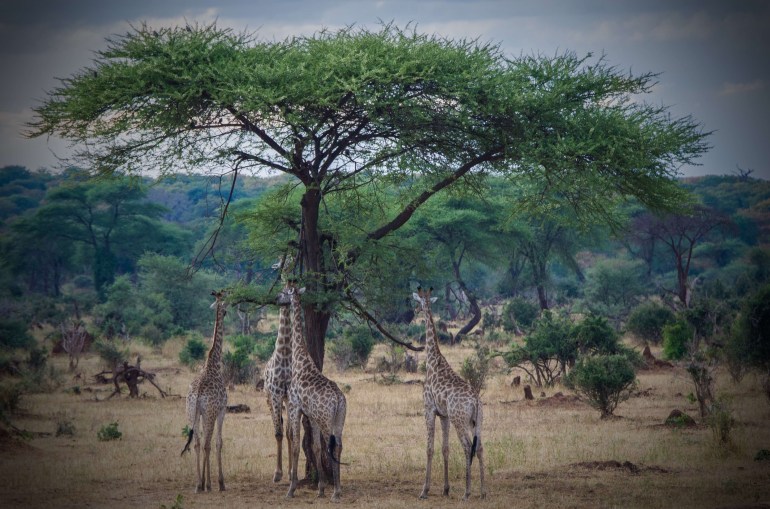
Senyati campsite is our next stop, close to the border town of Kasane which touches borders with Namibia, Zimbabwe and Zambia. Although camping is a relative term here until we get into Chobe National Park, for now it’s running water, flushing toilets and showers all to ourselves, very glamping. It’s a strange contradiction, the further we’ve gotten into a less developed wild country the more our campsites have become gloriously catered for. Sitting at the rustic patio bar we gaze across a waterhole to Giraffes, Impala and humans on the plains while more birds than we can count share a space right in front of us like the stage of a theatre. 
  

This progression north has proven to be an insight into the wild beyond the obvious marker of seeing wild animals. Where fences seemed the defining social structure in the Western Cape, here there seem to be no such delineations, humans cohabiting remarkably well with animals we’ve spent our lives somewhat frightened of. At home our lives are so distant from dirt and dust, often thought to be so unsightly. Here those blemishes are part of life as we let go of the ideal of a spotless house, designer furniture and that light fitting that so perfectly represents us. There’s a hornbill close enough to reach out and touch as I type which at home would ‘belong’ in a cage, having a hot shower seems a luxury and I can’t help think that at home we separate nature and our lives to opposite corners of a room. We’re shuffling priorities to embrace being in nature rather than looking at it; feels quite, natural.
While you were working – Everyday Life, Nata, Botswana

Back in Charlie’s home town the gallery is jittery, an expectant hush ripples across the masses as the stewards hold up the all too familiar hand held sign calling for quiet. Tiger Winn takes to the first tee to address the ball, the Selebi Phikwe faithful have waited 19 years for the return of the prodigal son; baboons have been shoo’d away, the fairways manicured and there’s barely a dry eye in the house. Phikwe Golf Club has rarely hosted a bigger occasion, the attendance fee already worth every Pula. The backswing arcs to a collective drawn breath, like lightning the fluid swing passes the ball undisturbed on the tee. Breaths remain held. Another swing, another practice swing, surely it’s a practice swing? Upon a third strike the skippering drive of about 20m draws raucous applauds and we’re away ladies and gentlemen, the Phikwe Wednesday competition has begun. Tiger Winn the crowd favourite opting for a first drive that can only be called tactical, stay tuned folks. 


After the grand build up we both settle into rounds of dubious shots interspersed with an occasional lucky strike to befit the grand scenery. Weaving in between kopjies of burning red rock the parched golden fairways take us far away from the frustration of chasing a little white ball that refuses to go where it’s supposed to. The setting sun blazes the sky to complete a setting that truly warrants a large gallery of support, even the ‘greens’ of oily sand seem glamorous in this setting. Lucky for us the score is irrelevant, the only way to play golf. 

Golfing glory will have to wait for another lifetime sadly, our departure from Herman and Heidi passes in a whirlwind of warm hugs and well wishes to hold us tight till our stop over again on our way back to South Africa. We’ll hang up the clubs no doubt for another ten years or so, for now it’s the open plains of Africa to plunge further from comfort and closer to the open spaces that give this continent its fame. Just a few days ago it seemed that the idea of a real Africa was a goal so distant; Phikwe was the first true step, now it’s onward to wherever this road takes us. 

Miles and miles fall to hours of driving, the relative plush comfort of Phikwe far behind now it’s these plains of grassland that go on forever. Not since the Salar de Atacama in Chile could we see so far to a horizon beyond where our eyes could reach; salt lakes and grass plains seem more familiar than I had ever considered. At some times the short trees and shrubs cluster the vista while other times it’s golden grass for as far as the eye can see, at all times it’s flatness that dominates here for it’s complete lack of feature. On and on forever it seems, the range of animals that make up wildest Africa are all out there, like the horizon, hidden from our eyes.


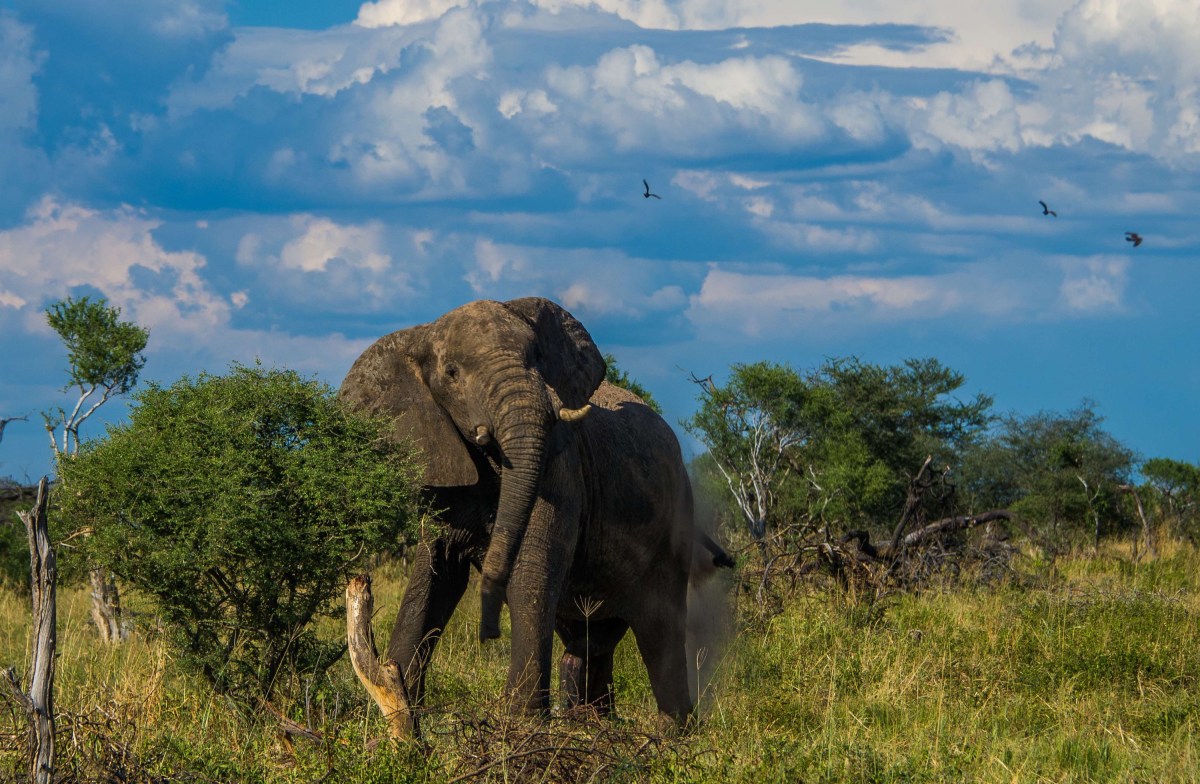
After hours of sweltering under a relentless sun the air conditioning that doesn’t seem to be working, this could be a long trip. We won’t make it to the top of Botswana today, the drive continues to the now regular road signs warning us to be wary of Elephants, this is a little exciting. Our destination tonight is a campground called Elephant Sands, a freshwater pool on a regular Elephant migration route so we’re hopeful to see one of the big beasts today. Who needs to wait till the campground, a big beast walks casually past us on the road; yep, that’s an Elephant. This is completely normal, I see one of these every time I go to the shops for some milk or bread. Can someone please wipe the childish smile from my face?

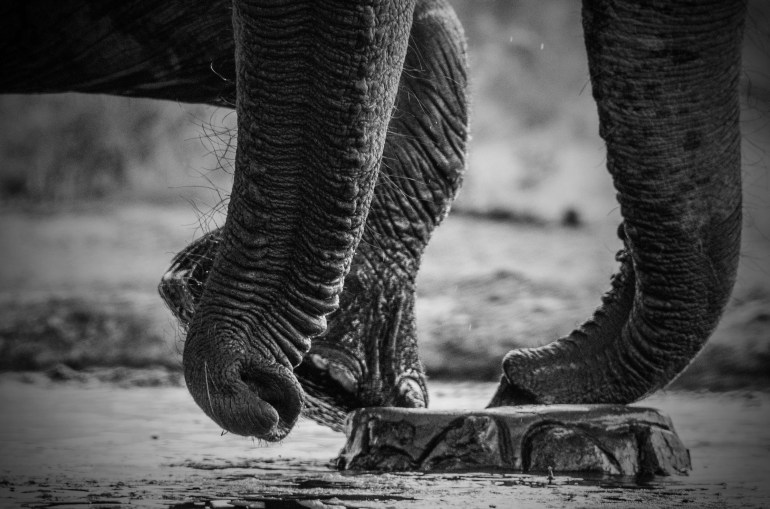
Arriving at Elephant Sands it appears that it’s well named, there’s an elephant at the watering hole as we arrive and a few more in the surrounding bush. Just there, right there; it’s an Elephant. I take another look and I’m not hallucinating, they’re completely real. In no time a herd of nearly ten Elephants pass through for a drink and a wash, we’re sitting less than ten metres from this social spectacle we dared not hope for. The sun again sets to a blazing sky, the vastness of the space here gives a grandeur and warmth to a vista that absolutely requires a beer. 

I’ve been surrounded by this idea of a real Africa, everyone keeps telling me that I wasn’t in real Africa yet. To softening light the waterhole becomes a buzz of birdlife; the skies are on fire, the Elephants are spraying mud, the birds and lizards fill the world with a fluttering life and these plains that seemed so empty before seem now like anything but empty. It feels to this novice that no one element makes up real Africa, words will come in time but this moment has a wild beauty that cannot be contrived. Maybe real Africa is something I’ll never understand, after all this is an every day occurrence of unremarkable life; Africa seems pretty remarkable to me.    

While you were working – Getting Bitten, Selibe Phikwe, Botswana

With the conflicting first view into Africa still on the platform of a Johannesburg train station we’re finally at the start of this road trip we’ve been looking forward to for so long. Loaded up with a mountain of Biltong and a few basic staples we’re in our home for the next few weeks to finally plunge into Africa free of the grimy filters, secure bubbles and confines of other peoples impressions. For now it’s just us two, one car and a bloody big continent, no longer a distant land of evasive mystique, it’s now the air we breathe and the ground on which we walk. We may just possibly have a few bottles of Stellenbosch wine with us but lets not let that get in the way, this is a three week episode of ‘Man vs Wild’ without the support crew and plush hotels.

We’re off to Selebi Phikwe, the town of Charlie’s African youth between the ages of three and ten. With a huge number of animals on the roads night driving in Botswana is a no go, so we hole up for a night in Pretoria, right next to the famous Loftus Versfeld rugby stadium. Loftus Versfeld is a mythical place on its own but for now we’re too excited to be on our way and getting into Botswana. Beyond a nostalgic waltz down memory lane for Charlie we have so much on the horizon to pack into this road trip. 

Botswana jumps out to me as an African equivalent of Ecuador, a small prosperous country so often overlooked but bursting with amazing sights so little known in the shadows of more aggressively marketed neighbours. One glance of a map shows the Kalahari Desert, huge salt flats, the Okavango Delta, Chobe National Park and the rest. If you’ve never heard of these places don’t feel bad, neither had I and there’s only miles of road between us now and discovering some of what this interesting little country has in its cupboard. Let the road trip begin, it seems like we’re finally getting a little glimpse into this fabled idea that has been floating in the air, real Africa. I get the distinct impression I’ll leave this continent more confused about this idea than ever. For now we’re getting to know this little pocket that underpins so much of Charlie’s early life.        

And what could a road trip be without cricket on the radio. We’re driving to the sounds of South Africa playing New Zealand in the World Cup semi final; we’re cheering on New Zealand. The red sands of Africa are outside the window spread out in wide flat plains dotted with small shrubs and trees, a very African scene but inside the car it’s so much closer to home. We’re so far away in Africa but nothing can stop a high-five as New Zealand hit a six off the second last ball of the innings in a thrilling finish. We leave South Africa crossing the border to Botswana as South Africa leaves the world cup and along with it the hopes of this nation. 

Border control is neat and efficient, in no time we’re in Botswana. A few potholes dot the roads that weren’t there on the other side of the border but otherwise it’s a similar type of place just with a few less people. Groups of men work manually on the roads in the blistering heat, the dusty red sands tell a tale of arid harshness. The land here is all flat plain except for the occasional hill or mountain that rises up as if from nowhere, it seems there’s no such thing as rolling hills here, only flat plains or rearing peaks, nothing in between. No grand trees interrupt the landscape, this dry soil supports only the hardiest of small trees to offer little shade to the hoards of donkeys, goats and the few warthogs that share our road. 

We’ve passed a bunch of out of luck hitch-hikers in this cabin for two but this one ahead seems really enthusiastic. To the familiar mantra of ‘sorry buddy’ we pass not a hitch-hiker but a police officer calling us to halt, oops. Quick reverse, a small piece of paper later and Charlie is now officially a criminal in Botswana, 108km in an 80km/h zone, tut tut. One day driving and one speeding fine already, this is going well. 
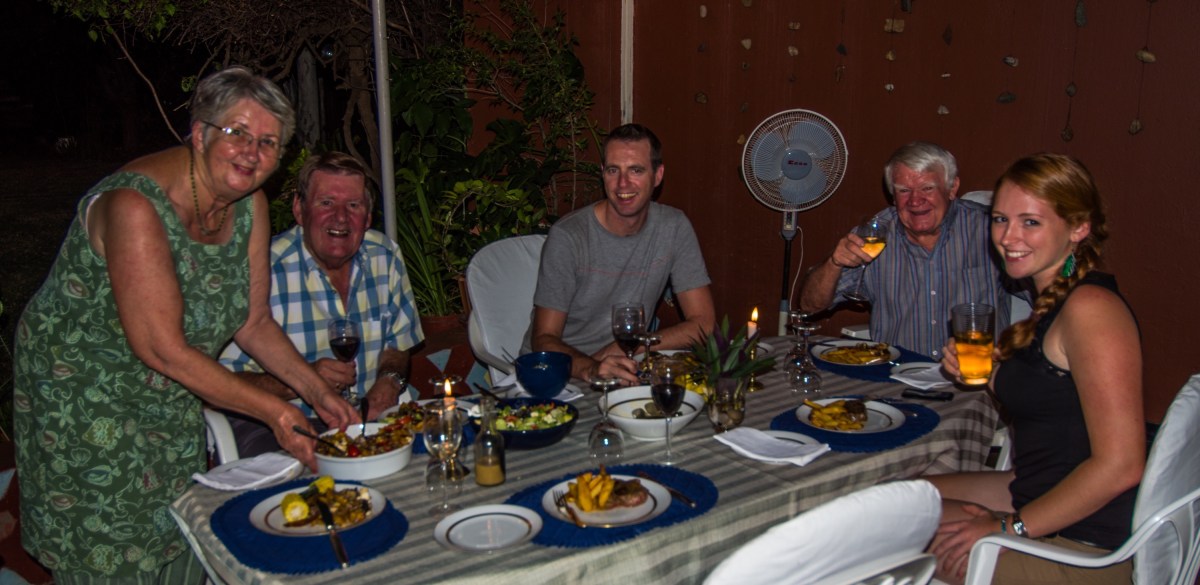
Arriving into Phikwe it’s memory lane for Charlie; past his first school, the kopjie (small rocky hill) he used to always climb, the house that holds his earliest memories and finally to Heidi and Herman’s place, old family friends. Upon the warmest of welcomes Charlie is awash with memories and nostalgia, the African boy has arrived after so many years. Herman is as funny as always and Heidi cooks up a contender for our best meal of the trip under the shade cloth that Charlie helped put up nearly twenty years ago. This is such a new land for me but to Charlie it’s so clearly home.
I’ve heard it a million times, people say that Africa gets int your blood. Something mystical, romantic and inescapable about this continent of rough edges, wonders and danger seems to infect people for a lifetime to constantly call them back. Hearing Charlie talk about Phikwe in a manner that seems like it’s still his home town gives me the first hint of this constant call that Africa emits to all those bitten by it. Maybe it’s something that can never be observed using our five senses, the idea of the real Africa may have to remain to those knowing souls bitten by this place. On planes, trains and automobiles we’ll immerse ourselves into the red sands that call to so many. Three weeks out of the bubble to see how close we come to being bitten, for me the first time, for Charlie it seems we’ve lost count.    

While you were working – Real Africa, Johannesburg, South Africa

The fateful day must come at some time and now the grim reaper stands before us, we’re leaving the bubble for the first time in Africa. The cosy little corner of lightly roasted coffee, balanced wine, natural beauty and working internet is soon to be a thing of the past. In our near future is the clatter of a regional train, sticky seats, wild game and exciting scenery as we finally get to see ‘real Africa’ as Charlie puts it, as opposed to the bubble of the Western Cape. After a stint in our apartment in Buenos Aires and poncing it up through the perfect gardens of of Stellenbosch we’re just about ready for a bit of rough living; we’re piercing the bubble and ready to see Africa; real Africa apparently, whatever that means. 


Lugging our bags through a familiar din of metallic clamour and oily smelling air we arrive at our train already on the platform embodying all the anticipation of a new journey. Counting the cars of gaudy colour we finally arrive at car eleven, 11A is our nome for the next 28 or so hours. Forcing a backpack that is a little too wide through the tight hallway and tighter door we’re finally in our sleeper carriage; we’ve waited for this moment, the first train ride in this journey and our first plunge into proper Africa. Proper Africa; I know what I infer of this comment, the Western Cape is developed and modern; not real Africa. Why must Africa be undeveloped to be considered Africa? Why cannot a people, a nation and indeed a continent have wealth and comfort and still retain identity? Do we retain stereotypes so firmly or is it that our modern world is so corrosive that any culture cannot possibly survive its bleaching with colour intact?

Clang, clang clang, the cars before us emit an ever noisier metallic thud as each car shunts into tension upon the departing engine, we’re off. Surprisingly 11A is quite comfortable, I can stand up straight under a high ceiling, the seats aren’t sticky and we have plenty of room. It’s an old train with all the rickety romance of a proper train ride from our childhood, next stop Africa. For now we’re happy to pass up the smooth silence of a bullet train, this is all about a romantic train ride that really belongs to a time gone by but we are happy to have it right now. People pile into the hallway to stare out the window, there’s a bustle of people taking food orders to the regular beat of the rattling train movement keeping perfect time, it seems we’re not the only ones enjoying this trip.


Soon into the trip though it seems that 11A isn’t just our cabin, we need to share it with an old fellow that Charlie so aptly describes as the Rowan Atkinson character, Mr Bean. There goes our hope of 11A being our little home in which to view my first glimpses of real Africa, whatever that is. Mr Bean seems quite nice but his Afrikaans is much better than his English, by that I mean we can’t understand a word he’s saying. Just about 24 more hours of awkward silence, this should be fun. In no time we’re also joined by another elderly Afrikaner man who looks a little like Mr Magoo, our little abode of excitement that was 11A is now a squeezy little pocket of awkward attempted conversation.

And this was going to be so much fun. As if the space invasion isn’t disappointing enough that distasteful cliche of South Africa comes to the fore, Mr Bean seems quite nice but Mr Magoo takes a very different tone to the train staff than to us, to us he’s quite the model caring grandfatherly figure. We attempt to factor in other possibilities but it’s unavoidable, Mr Magoo’s tone is determined by the shade of ones skin. 11A was full of excitement, then it was a little awkward and just as I’m plunging into ‘real’ Africa for the first time, inside 11A is now a new environment I’ve never been introduced to just like outside. It’s quite amazing how a tone and muttered grumble can carry such weight: I’m angry, offended and altogether disarmed about what or how to do anything about it. The train employees have none of the blazing indignation in their eyes that I’m all too willing to support, it seems so natural to them. I think this pisses me off the most. 

Over 20 hours of veiled tone disconcerts our lives, we’re personally greeted with nothing short of what is otherwise cute grandfatherly type warmth, Mr Magoo the model of sweet sincerity. But like the pristine waters of Gansbaai there’s a menace hiding in the blue, that it is so deftly hidden makes the threat seem so much more intense. Only towards the end of the trip does a more overt attack come on the pretext of the train arriving late, ‘This is what they do, this is black Africa’. Can you hear that pin drop? I seriously don’t know what to do, immediately Charlie and I pick up our iPads to start reading to a swirl of conflicted feeling; we should say something but we don’t know where to start. For now a silent protest of avoidance is our only option in this state of angry shock.

Finally the train pulls into Johannesburg, what started out with such hopes now slowly degraded to a journey we can’t put behind us quickly enough. We’ve just busted the bubble and can’t help wondering, is this real Africa? In no time we are roused from our furrowed brows by a massive smile, our transfer driver has waited nearly two hours for us and exudes nothing but patient welcome and happiness to see us. This exuberant greeting washes away the grumblings of a twisted old relic that shall remain contained in 11A, from the time of the train itself. I hope this new face is real Africa?

In this first little bursting of the Western Cape bubble we’re thrown into a washing machine of conflicting views, a storming churn of confusing messages, maybe this sense of conflict defines real Africa? To our eyes we don’t notice the shade of peoples skin however the paleness of Mr Magoo is now so starkly offset by the deeper skin tone of the guy who greets us in Johannesburg. I’m now for the first time noticing a skin colour, maybe this is unavoidable in real Africa? The beautiful mountains, my first game spotting and this exciting journey are now buried under a sand dune of bitterness. I so wanted to see Africa but it seems there’s some grit on the windscreen that I’ll need to get used to seeing through; and I’d heard so much about the colours of Africa. We pick up our car for an epic three week road trip through southern Africa and even though we’re out of the bubble I’m further than ever away from understanding; what is real Africa?

While you were working – Fences, Stellenbosch, South Africa

From coming face to face with a great white to the definition of posh wealth, Stellenbosch sits so conspicuously yet comfortably close by to the untamed wild. Stellenbosch is a small town, a university town that hums with all the usual buzz and vibe that a youthful population brings. Trendy bars and cafes spill onto the streets, nightlife is not confined to weekends and there’s no shortage of overly fashionable people filling edgey promenades and pathways. This all sounds very familiar, standard even; what is not so standard though is the notable lack of rough-edge grunge. Uni towns are usually a place of creative style that emanates from a youthful desire to stand out but without the money to conventionally do so. 

  
Here we find a sense of gentrified ‘old money’ that simply drips from every perfect white building. The upper-crust style that is Stellenbosch is not to be decried as a death of university culture, the lively dash that accompanies this crowd seems there in hearty measure. This strange mix of anti-establishment vibe placed in a setting that is everything that resembles establishment in any common measure is as odd as it is attractive. Imperious wealth is forced inside the stately architecture, the streets are overrun with craft beer, tapas bars and too-cool cafes. Yes Stellenbosch is a university town for all money, and money it has; two forces so unaccustomed to each other mix so elegantly here giving a result that can only be called a success. 

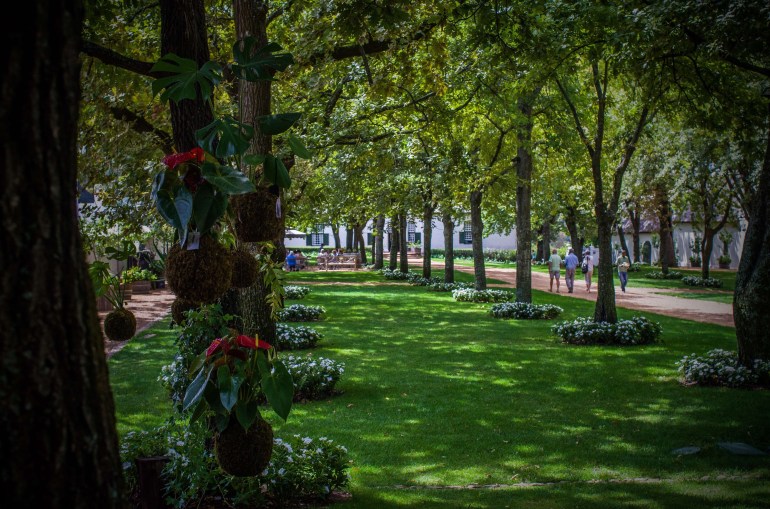
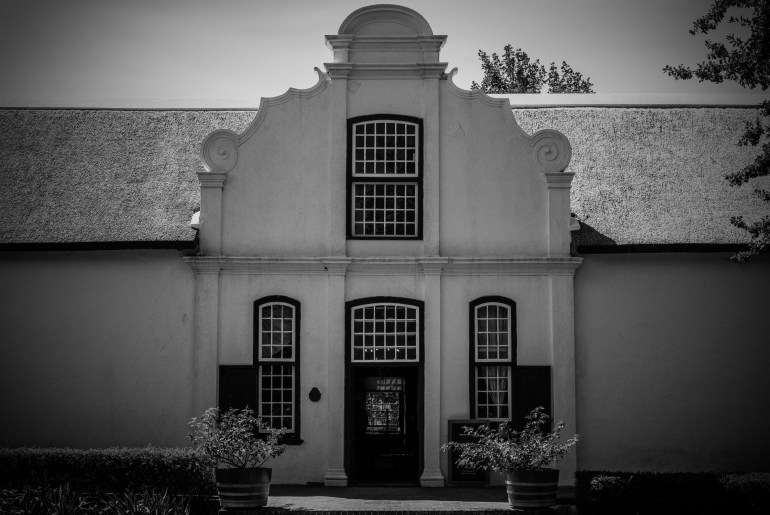
As if Stellenbosch town isn’t enough of an exercise into gorgeousness, the picturesque surrounding mountains lay backdrop to the weave of vineyards that bring this area its fame. Make no mistake, this whole region does offensively beautiful really well. From the modern architectural trendiness of Tokara winery to the epic historical grandeur that is Boschendal vineyard, we drink our way through some of the most beautiful countryside this planet has to offer. Stopping at the nearby town of Franzhoek we take in our three course degustation menu with a commanding view of the valleys and mountains that typify this beautiful area. Yes this is every flavour of indulgent luxury in one place, and indulge we do. 

  
Mixed in with all this too-perfect indulgence, the bubble within the bubble that is this part of the world reveals contrasts so stark that we can only be in Africa. So close to this postcard made into a real place lies townships of shanty settlements, it seems so odd to have these two places so close together. From a casual observer the townships seem quite legitimised, not entirely freeform or pushed far away at all. They’re a poor settlement with only the barest of services no doubt, but not entirely transient or temporary. A complex network of wires webs over the roofs of rickety houses, many of which sport small satellite dishes. On first glance these places look more like just another way to live; poor and disadvantaged for certain yet with a sense of permanence that seems a little like a traditional village that got modern too quickly. A first world society with third world issues. 

As we’ve made our way around this little bubble with so many other bubbles within it there seems roughly three ways to live; indulge me for a moment. There’s the imported spring water anima set locked inside electrified fences. There’s the marginalised masses in the townships locked outside of the electrified fences. And then there’s the middle ground that aren’t entirely poor or rich who don’t seem to have any fences to be locked in or out of. From a platform of ignorance it’s so easy to refine simple conclusions, the luxury of being a traveller I confess. It appears that fences, or lack of, are so much more a social designation than just a way to delineate a place. I never thought a fence could have so much meaning. 

From this first snapshot I can’t help feel that society here is less homogenous than anywhere else I’ve seen before. In some places of the world there is a relative lack of a class divide, relative being a very important word here. In some places there’s a diversity of ethnicity, some places have a large wealth gap, sometimes it’s culture and language that defines. So rarely are all of these factors and more smashed together so formidably and fluidly. With so many layers of diversity I wonder how many fences would be required to chop up this place accurately, there’s more categories and sub categories for the humble idea of a fence. It seems that here they’re trying to do just that; I wonder, how powerful a symbol can a fence be? I guess far more than I understood from the ignorant pedestal of a traveller.   

While you were working – In the Blue, Gansbaai, South Africa

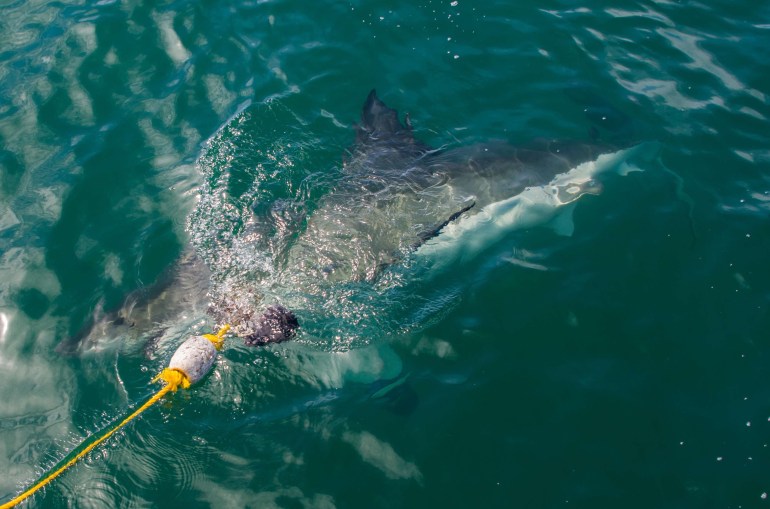
There’s deep blue below us, the silken waters of the Indian Ocean roll and lap at the side of the boat. Salt mixes with a stronger than usual tint of fresh kelp to perfume the air we breathe. My mind wanders and wonders about a bottled version of this smell, surely this is the gentle fragrance of limitless freedom we all pursue, or is it just having this freedom of limitless time to consider such frivolity that we pursue. Does one need the other? Sitting top-deck this small boat sways and lists like a bored teenager, listlessly. Each tilt introduces us to the green ocean below before dragging us back skyward on a teasing swell. Land is in sight but too far away to consider, our world cut horizontally in two places, us above the unbroken surface and a place forbidding us below, we have our place.

But we dare, we tempt to break that surface that so clearly defines where we belong, pacifying mental meandering quashed by a desire to abandon the comfortability we’ve just been wrapped in. There’s a familiar hiss of escaping air quickly retreating to the world it belongs above the surface, abandoning us for where we should also be. This is not our world at all, we don’t belong here but we guess that’s why we want to be here so much. Physically free we can float and fly but visually we’re trapped. There’s nothing here, just blue; blue forever, blue all around in this new world, the fresh smell of salt and kelp are now replaced by neoprene and rubber. The blue is relentless but we know beyond the veil of our vision there is another world kept from us. 


Blue is not only blue it seems, It’s dark grey and white as well. There’s a shape too big to be gliding so elegantly, this is no trick of the light from above; It is so close and it came from nothing before disappearing impossibly soon. Our linear world is now a disorienting sphere of too many directions from which that shadow can emerge again, and disappear at will. We truly don’t belong here. Another flash, a formed shadow torments our racing hearts to sink to a threat unrealised yet again. We really don’t belong here, we can’t smell the kelp anymore and the air we need continues to abandon us for the world above. 

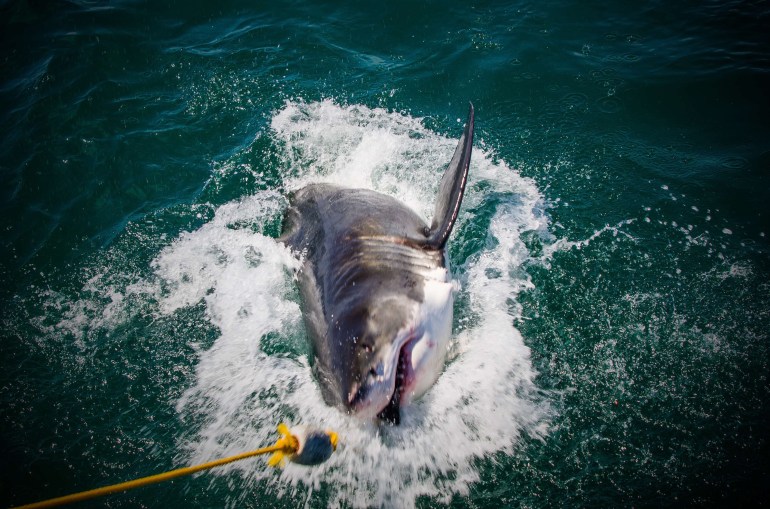
Our tormentor hides beyond this veil of blue that he can see through, we’re in his world and it’s never been so plain. From nowhere or somewhere within this world of too many directions for eyes used to seeing so few, a predator sums up his prey; we’re not the predator. Shark is apparently the most frightening word in the english language, sparking emotional responses like none other. How wrong that could be; far more terrifying is placing ‘Great’ and ‘White’ before that powerful trigger. And now circling, just a metre or so in front of us he forms from nothing to look into our eyes, baring teeth in a knowing look of careless dominance. How much we don’t belong is so comically displayed by how much he does. 


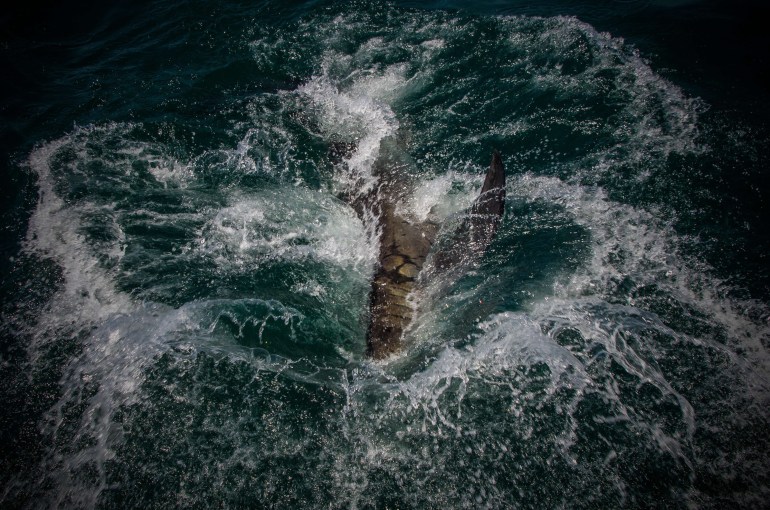
White shark means white knuckles at the bar in front of us, a contraption from our world keeps us from him as surely as the blue foil hides him from us. It’s a dance, a pantomime this is; how feeble these constructs seem in the face of eons of learned responses. Over three metres long, too big to put our arms around through the middle and shaped like a bullet, apex predator seems such a feeble term looking into the eyes of such power and intent. Or maybe it just means a lot more when we’re not the Apex predators we usually are, so elegantly the roles switch in the piercing of the waters surface. How powerful that word is, shark. Not only the physical beast, the elegant magic show of illusion it plays so deftly creates the terror of a monster that can appear and disappear at will, from any direction. This illusion is possibly more the terror than the teeth or that iconic fin shape.

What a buzz, we’re taking in the salt and kelp smell again, above deck looking down on the shadows gliding below. We can see so much more from up here, our vision removing some of the magic show and with it some of the terror; we know below that it’s so different. From here we’re both in our worlds and both apex predators again if for such differing reasons. The slick surface of the water is slowly giving way to a churning boil all too quickly on the growing wind. It’s time to turn back from our flirtation with the beast below the water and return to shore on nerves of slowly ebbing adrenalin. 


The journey back to Stellenbosch takes us through the picturesque mountains again, from wild terror to epic mountain graces in the blink of an eye. This place is not wild in the way that defines the word but it’s wild none the less. There’s gentrification on a scale barely fathomable on the doorstep of the untamed, ideas that so rarely rub shoulders. Like mushrooms sprouting there are spaces of blossoming comfort extracted in the cracks between the bricks of this wildest of paths. The mountain slopes are too steep and the oceans too wild to be truly tamed but we are afforded the space to grow in certain places. In these little bubbles exist the townships of humanity that nature affords us. Among the fences we place around each other there’s one greater that we are all contained within; together.   


While you were working – Head Spins, Western Cape, South Africa

The sun rises and the world continues to turn, we’re still in the bubble of Cape Town and today promises no threat to the bubble beyond stretching its walls a little to peer slightly further afield. Three weeks, two boys, five countries and one car is the challenge in the near future but for now we’re just taking a few days to have a poke around this plush little patch to get in a little road tripping practice. Not before coffee of course, there’s set to be some pretty rough mornings coming up so with nice coffee in a beautiful little cafe on offer we’re not proud, not too proud at all.

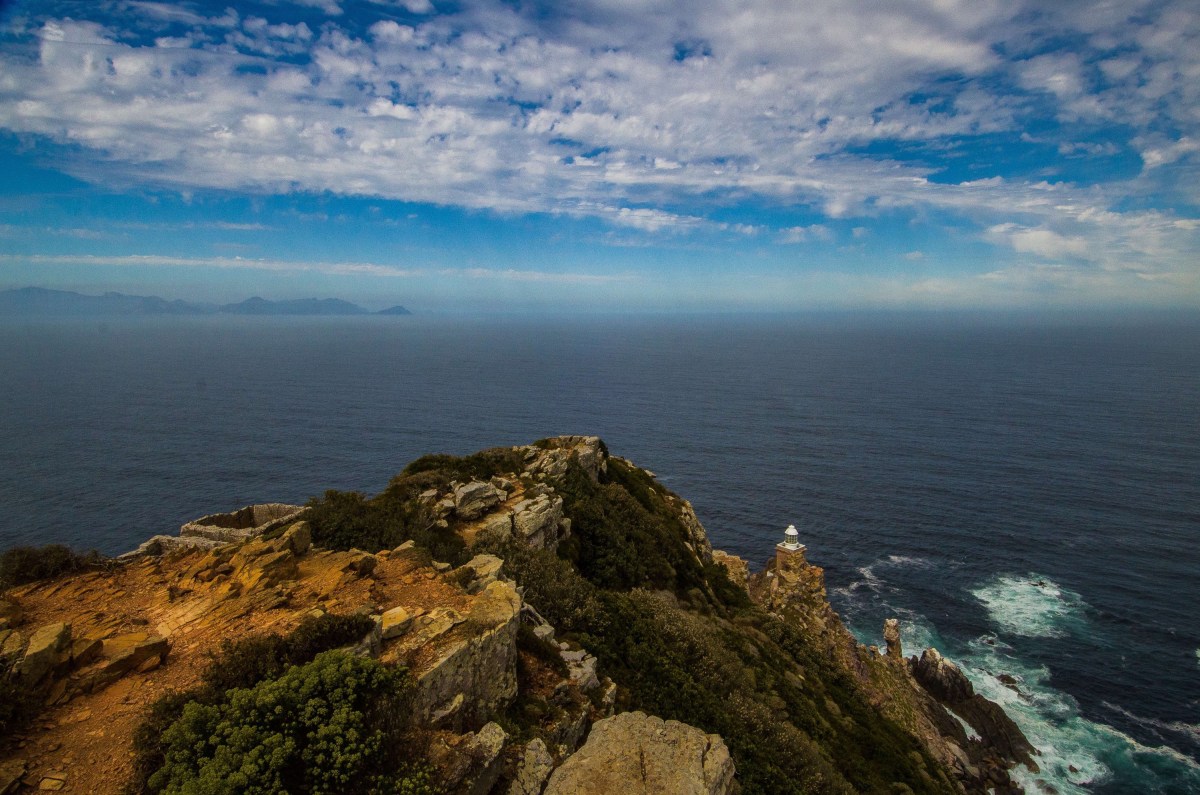
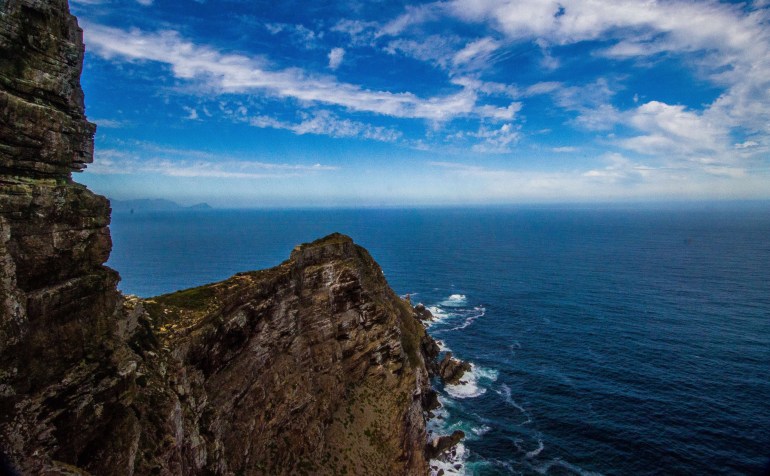
We visited the end of the world in Tierra Del Fuego to peer into eternal nothingness, this time we’re perched on top of a steepling cliff that is anything but nothingness. In a small nook sheltered behind a rustic stonework wall we peer down into churning waters, jagged rocks and clouds rapidly forming from thin air only to stretch into a swirling ribbon from the ripping winds that drag them to nothing once more. The Atlantic and Indian Oceans meet at this precipitous headland named Cape Point. Cold and warm water mix to make a thick cocktail of aquatic life in one of the worlds oceanic food baskets. But that’s ever so far below, now we’re in an eagles eyrie atop the world.   

Circling a decommissioned lighthouse we make our way over a narrow blade of rock about 100m from the violent churn of frothy water and rock far below and towards the new lighthouse. A view back up the shoreline of the Western Cape sees the sharp rising cliffs launching straight up from the water in tones of blue that slowly disappear to white at each passing headland. Many places in the world are beautiful but remarkably few feel truly wild; this is one such place. Looking out over the ocean it’s impossible not to imagine those first sailors battered by the fiercest of oceans feeling the rage of the roaring forties for the first time. They must have felt oblivion on the other side but still they went, no wonder the next headland west is called the Cape of Good Hope, hope is all they would have had to cling to.

From a perch of fairytale voyage we venture back up the winding road of the Western Cape peninsular, past baboons slowing traffic none the less, this is normal right? Apparently they’re quite little bastards and very good at getting car doors open so it’s up windows and lock the doors kids. They are pretty cool though, it seems that the wilds of this region aren’t entirely confined to the sea at all.    

It is a road trip after all and our next stop is Stellenbosch, the site of the prestigious and world famous Stellenbosch University and South Africa’s best known wine region. Stopping in Simonstown for a coffee and two loaded bags of biltong we’re set for this road trip African style. The two bags of the dried beef and Ostrich cost a whopping five bucks AUD and they’re delicious, perfect for a road trip. We tell ourselves that they’re a high protein snack; we’re only partially lying. Our little white roller-skate of a hire car bundles along the highway like a lawnmower running too fast, the sea breeze of fresh kelp fills the air from the shores of False bay on this journey into wherever.

Our trip to posh wine gorgeousness takes us past Khayelitsha township, a massive sprawling mecca of corrugated iron and spindly power lines hovering over semi orderly rows of shanty homes. There’s six million people in this area that seems no bigger than a suburb, a city crammed into a gelato tub. After passing through the so nearby posh suburbs of electrified fences and high walls I’m struggling to determine who’s being kept out and who’s being locked in; and of where. But maybe it’s just a little too obvious. There’s a big sticky topic here and it’s hard to feel confident of a comment from a second day tourist pedestal, so I won’t. Yet. 


So much history is crammed into a space of time too short here; tumultuous, colourful, hopeful and horrific in the squeeze of a single heartbeat. Pulling up to our posh BnB and taking a meal of gourmet burger and grilled chook in a trendy sidewalk pub we’re still in the bubble but the view within is more than it seems like a single bubble could be. Social bubbles are usually refined homogenous class cliques, but not in Africa it seems. A range of societal designations exist in this one bubble, I struggle to imagine what the other side of this cloistered world might look like. Africa is meant to be a land of great diversity; if this window into a bubble is any hint I am struggling to see how an entire world of diversity could fit into South Africa alone, let alone this continent. The head spins, the world gets bigger and still we chase an ever expanding view that we will never reach, nor do I think we want to. 

While you were working – Back to School, Cape Town, South Africa

Shaking off the remaining traces of a Latin life to the tune of a little lingering jet-lag we emerge into a new day, an African day. For one of us it’s an exciting new step in this travelling odyssey, for one of us it’s a return home to a youth and coming of age full of familiarity and fond vigour. For both of us it promises a world of wilderness, beauty and colour. The red sands and redder sunsets are temporarily on hold, for now we’re in Cape Town, the cosy little hub of metropolitan living in the Rainbow Nation. Into hunter gatherer mode it’s off to scratch around in the dirt to find some nourishment, which means strolling the palm tree lined streets to the very trendy Haas cafe, we’re so Africa right now.    

We’re given another dip back into the vivacious customer service that is Africa, or maybe it’s just not Latin America. The latin casualness of making you take up their time so reluctantly is now replaced by an all too clear understanding of the economic driver that is the client and service provider relationship. the second we enter the door we’re greeted by wide eyes, a huge smile and an overwhelming sense of ‘I’m so glad you’re here and I really want you to have a great time’ type of vibe. Sitting at mismatched vintage chairs with wear and tear that comes nowhere near looking shabby that genuine want for us to feel welcome is right there. Coffee ordered and menus on the table we pinch ourselves, we’re not in Kansas anymore Toto. 

Maybe we’ve just gotten in the Latin groove but the coffee arrives really quickly, it’s just there. We haven’t had the space of time to just sit there and wait, in a way we don’t know what to do with ourselves. I guess we drink coffee, who’d have thought. I imagine we’ll get used to this. Feeling like royalty we enjoy the super trendy environment and, boom; food’s here. A traditional eggs and mushrooms sits beside a plate of granola, yoghurt and fresh cut fruit artfully enough arranged to match the decor. We’re in heaven, as much for the welcome and the good food as for simply having some variety. The gastronomy expedition is taking off. 

First impressions of Cape Town to a new visitor: it’s a modern cool city with style as the obvious first glance. A little less easy to pinpoint is a sense that Cape Town is fairly outward looking, no sitting in the bubble here. A trip into a local market sees a huge range of influences, crafts and vultures from other African cultures paired alongside a cafe, restaurant and bar scene that takes these African elements and introduces them to a global forum. We even see a Che Guevara T-shirt, can we never escape those things? The city is alive and very suave and as soon as we get used to speaking English again we’ll be right into this.

We are in a revolving door atmosphere between the jet-lag tiredness of our bodies and the external buzz of being in a new place, the war rages with barely a hint of which side is winning come dinner time. Addis in Cape is the locale, Ethiopian is the cuisine, we are the lucky contestants. Sitting on strange low seats feels like we’re on a kindergarten immersion experience in a world of bright colour dashed with an artful lack of polish; little school for big kids. A beautiful woman approaches with a large ornate teapot with a matching base of sorts, odd. Apparently this is a traditional process, she lays a towel on our lap and proceeds to run warm water from the pot to wash our hands. It’s a small touch and very humbly done, it lacks a showmanship that might make it cheesy, it’s  quite beautiful really. 

We choose our food and sit at our wicker table that forms a huge bowl in front of us to soak up a vibrance and colour to match any early childhood education nirvana; jet-lag is losing the fight here. Entree is a strange crisp bread so fine it’s like a potato chip lathered in chilli oil with a couple of dips; heaven, next please. Main arrives as a huge broad tray lined with a light batter pancake that stretches it’s entire breadth and arrayed with a range of bowls all containing small little pieces of spicy heaven. Our waitress explains each dish and pours them out on the pancake to salivating eyes. There’s no cutlery, the method here is to take up some more pancake and tear pieces to grab up some food, these big children get to eat with our hands too, what could be better.   

We sit oddly with our knees perched comically high on account of the tiny chairs. Big smiles and grubby fingers make a demolition site of our elegant platter like a play-lunch free for all. This would be completely juvenile if the food wasn’t seriously delicious, theatre and culinary grace played out in a cultural framework. Box ticked.

A mini coffee ceremony is served on a tray with burning frankincense with two brightly painted cups and carved wooden pot, we realise now that we need to go to Ethiopia at some stage. Growing up in Australian my childhood happened at the time of the Ethiopian famine. My earliest childhood memories of Africa are child sponsor advertisements portraying a world of suffering beyond imagination, I can still remember a picture of a child on the verge of death with a vulture in shot just waiting for mealtime. That was then, this is now. Those forlorn images are long past yet for a moment I’m in these small chairs exuding giddy excitement, my inner child no longer seeing an Ethiopia, or an Africa of poverty and woe. Fittingly, childhood images of famine are banished in a childlike departure into a world of amazing food that’s too abundant to finish. 

It’s our first full day in this continent of famed colour and life, a life that’s  always been forced to fight by the meddling fingers of history. Large game animals, global phenomenons and cultures from the cradle of mankind await the coming weeks, but for now we view from within the bubble. Trial and turmoil still racks this continent like those years of the Ethiopian famine; that we most likely won’t see it doesn’t make it any less real. A sliver of insight from within has crushed an indoctrinated dogma that lies somewhere far beyond the bubble. It’s day one and school is in session. 

While you were working – Home, Cape Town, South Africa

Buenos Aires hums and thrums with the pulse that only a big city can, a massive heaving mob of people crowded into a space probably a little too small and making something awesome of it anyway. In many ways BA represents so much of what Latin America has become to us: fashionable, energetic, disorganised and framed with gorgeous rough edges. We find ourselves settled in one place for over a week, such an earth shattering luxury but now that docile normality needs to be thrown on its head. So it’s on the move again, weirdly enough for us we have settled not only in a city but a really big one and actually like it. Buenos Aires’ beauty combined with our now stoic resilience to all things frustrating Latino has made for an enjoyable stay out of a place we otherwise find too foreign to embrace. 

There’s a big change in front of us, a big change just in time to uproot the big change that we’ve gotten used to. We deserve tiny little ‘Honorary Latino’ badges to wear with pride such is our recent adaptation. We’re sleeping in late, turning up late, eating late and sleeping late; something we’ve gotten used to of late. A last trip into SOHO is required for a farewell coffee, and of course nothing opens till 10am, we feel like such tourists but this time a little shamefully. It’s 9am on Sunday, the cluttered streets littered with post military conflict style refuse are casually being cleaned up, or not, depending on the flighty self determined moods after a party that probably just stopped; or hasn’t. Who’s to know?


We’re far from in the groove of the Argentinian lifestyle but much of it has become second nature to us, we barely raise an eyebrow nowadays. A breakfast passes with scant second thought to the crocodile wrestle that is getting customer service in this bubble of foreign language that feels like our own. Style is everywhere lathered in too thick slabs like the dulce de leche lathered on sweets too sweet; typically entreating to our eyes but ultimately unapproachable. The last remaining food image of this city will be this shortbread and dulce de leche cookie big enough to choke a donkey sitting right before me. It’s trapped behind glass like the stylish goods in shop windows closed for business, temptations we can’t or won’t reach for.

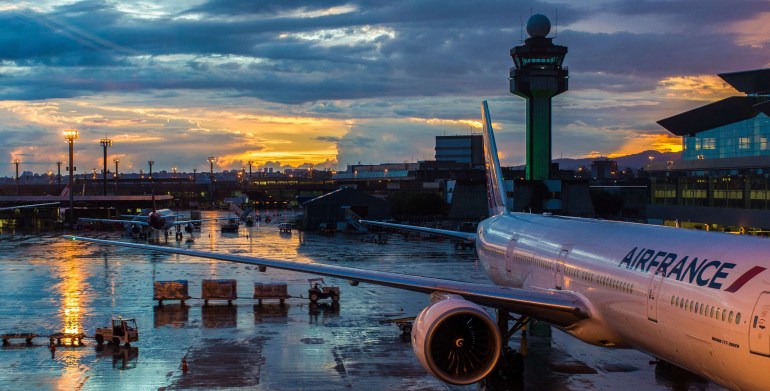
Cab booked, bags packed and we’re off feeling just as jittery about leaving Latin America as we are for arriving at our next stop. There’s a vague haze between us now and that stop somewhat like a big night, the time will pass but we’ll be too vague to know much about it. Maybe we are more in the Latin spirit than we give ourselves credit for. Just like a Latin night out the time seems irrelevant and we’re tired but still wide eyed; ladies and gentlemen please raise your tray tables, ensure that your seat belts are fastened and your seats are in the upright position. We will be commencing our descent into Cape Town, thanks for flying with South African Airways. Latin America couldn’t be further away.


It’s a culture shock alright, but what culture are we being shocked from I wonder? We’re flooded with a torrent of usually imperceptible signals to slap us into a new world. Are we adjusting from Australian expectations or Latin? We can’t remember anymore and we’re happy about it. Languid Latin customer service is no more, life and vivacity sharply snaps us out of our torpor and into an African buzz. Wow, we didn’t realise the slip into aloof too-cool personal interactions had become so normal to us. Oh and they’re in English, that’s a new one. Afro-Spanglish will have to do for a time I think. I’ve lost count of the people I’ve responded to in Spanish, we find ourselves tourists battling with a foreign language once again. Speaking English, how novel. 

Along with a shock horror ATM exercise that involved no tantrum, another novelty is food, long gone is ‘the menu’ that exists in pretty much every cafe and restaurant in the country. Before us now is a range of foods well outside the taste palate of a small child who’s never been told ‘no’, there’s even a vegetable. And you won’t believe this; no I couldn’t, its too explosive. Oh ok, they have pepper on the table, stop the press. People know what day the cricket is on, they know who’s playing; hell they know that cricket isn’t baseball! Cafes open before some guy named Enrique feels like it, they actually have opening times, we can put toilet paper in the toilet (don’t start me, I nearly cry in an airport cubicle). Engagement comes from people with focused eyes and an empathetic smile we’d forgotten. We’re home at last.  


But we’re not home, we’re in Africa, but we feel a bit like home; what’s home again? We snuggle into a warm embrace of the familiar in a place that is so far from familiar. In the engaging energy of an African conversation a sense of what we anchor ourselves to is shattered. Just half way through this trip we’re in the midst of a sharp shift in culture and possibly already losing what it is we define our cultural expectations to be. Buenos dias África, sentimos que estamos en casa; Plesed conocerte. 

What you’d rather be seeing – Latin America

Six months travelling from Mexico, Cuba, Colombia, Ecuador, Peru, Chile, Uruguay and Argentina has resulted in the below 26 shots which we seem to keep coming back to.

The feature image above (making 27)  captures our experience the most comprehensively.  The image was taken while submitting Volcano Purace in Colombia and reflects the amount of hiking we’ve done in Latin America along with our love affair with mountains and wild places. But Latin America is so much more as we were to find out; enjoy.

  • Each image is linked to the appropriate post the image was used in.
  • This blogs category “what you’d rather be seeing” is where you’ll find image only posts.

People


Charlie Winn

Haggling over the price: Santiago fish market, Chile


Charlie Winn

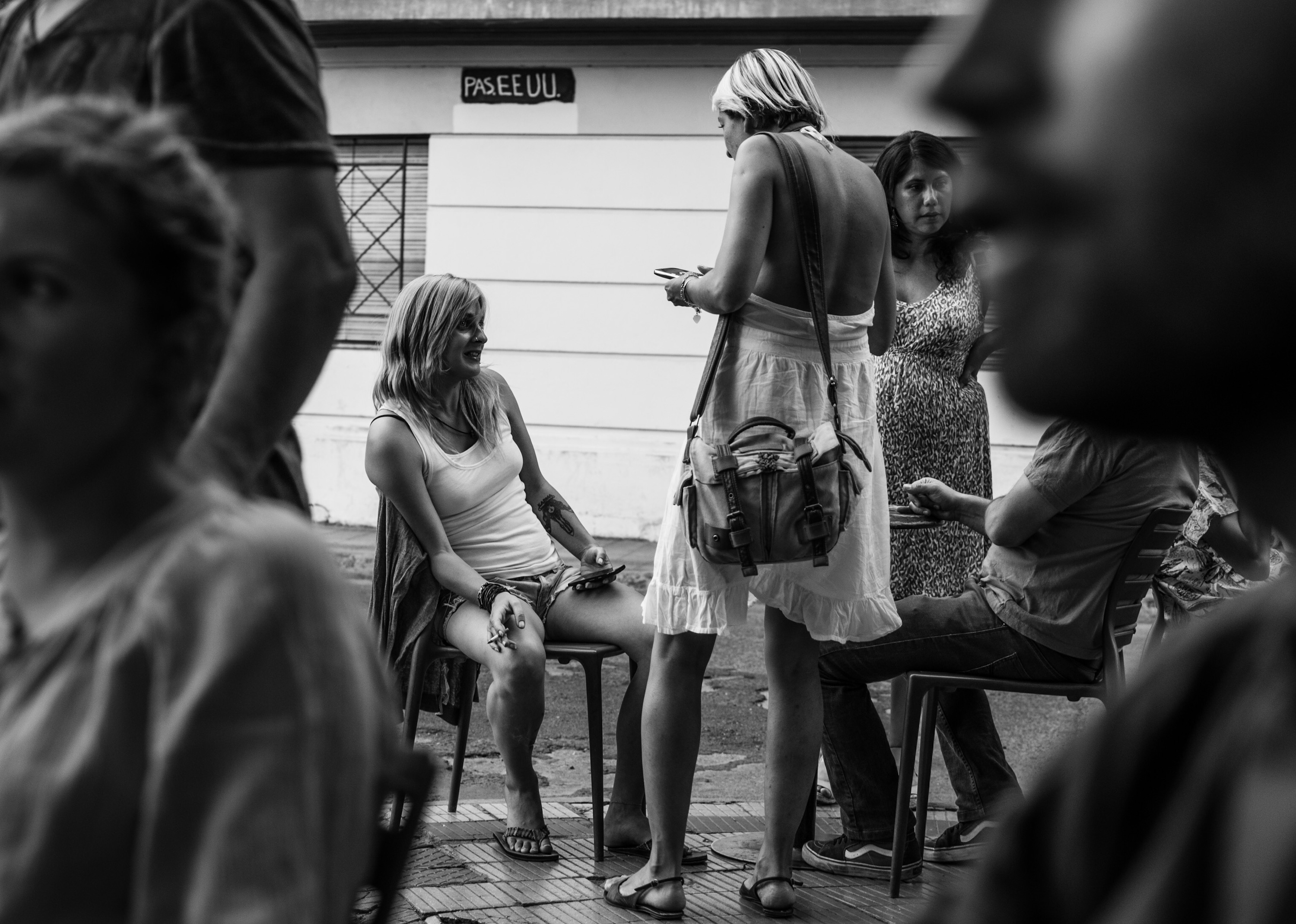
Santiago bar on a Sunday afternoon, Chile


Charlie Winn

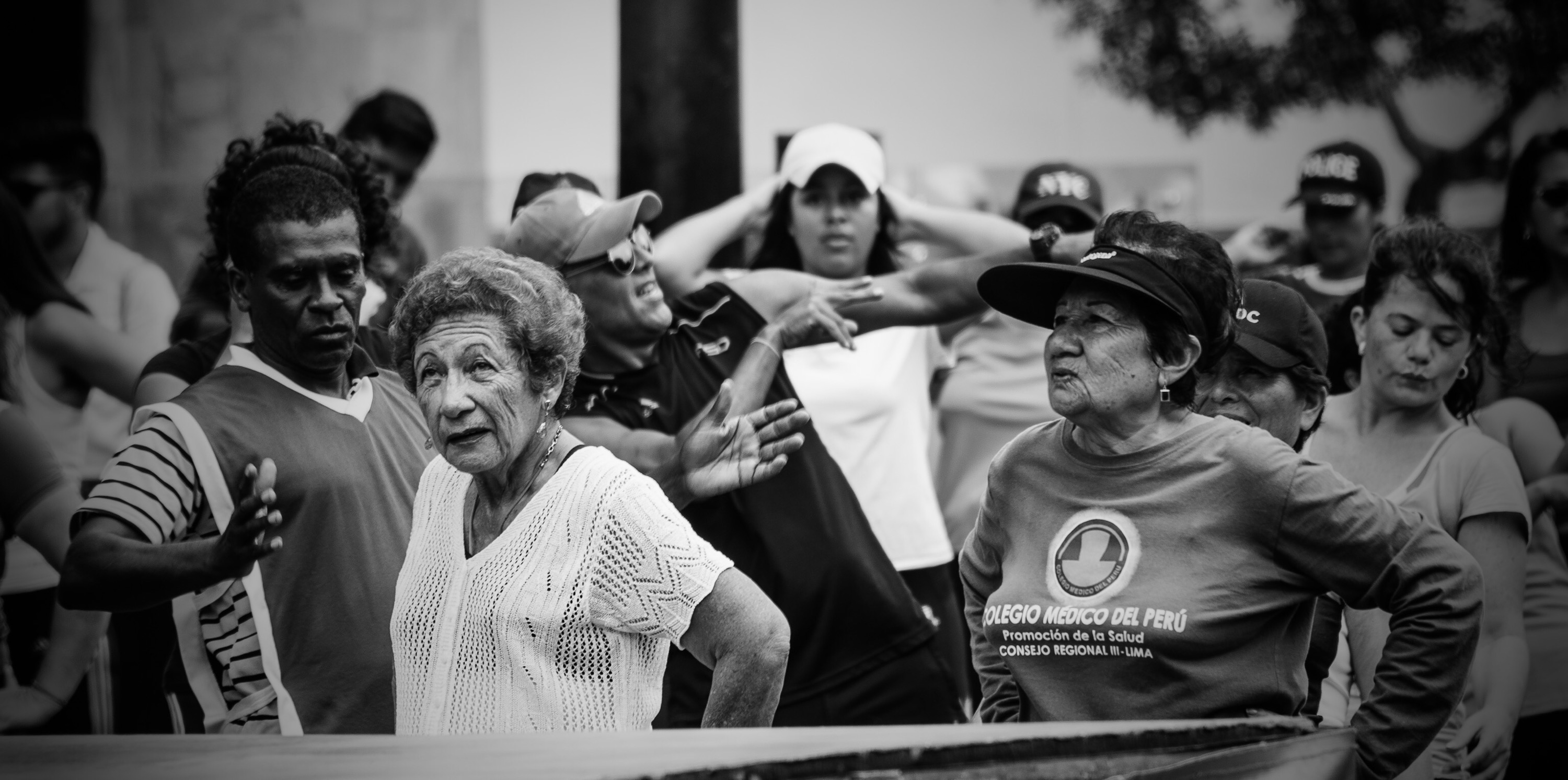
Sunday morning aerobics, Miraflores, Lima, Peru


Charlie Winn

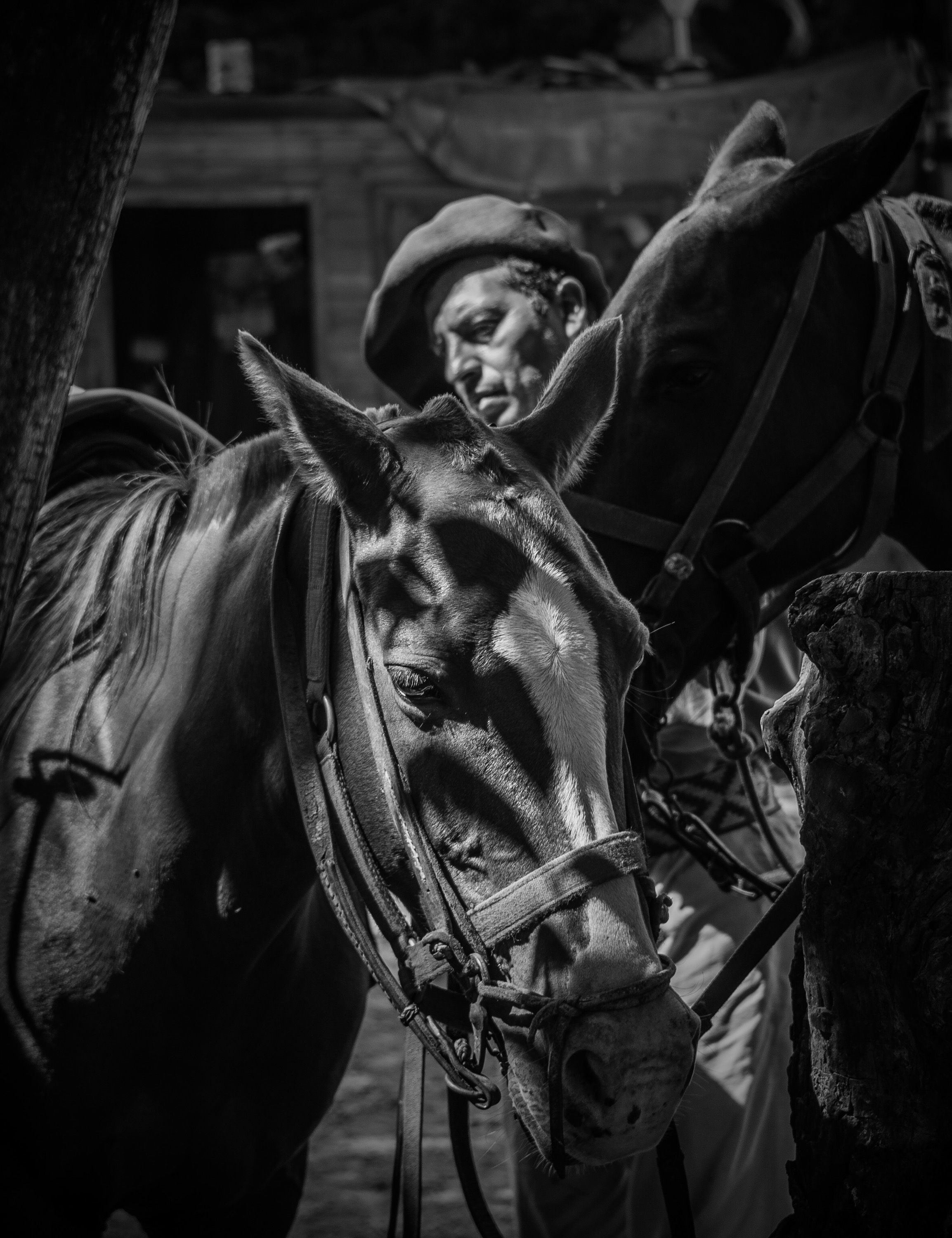
Gaucho readying the horses, Sayta Ranch, Argentina


Charlie Winn

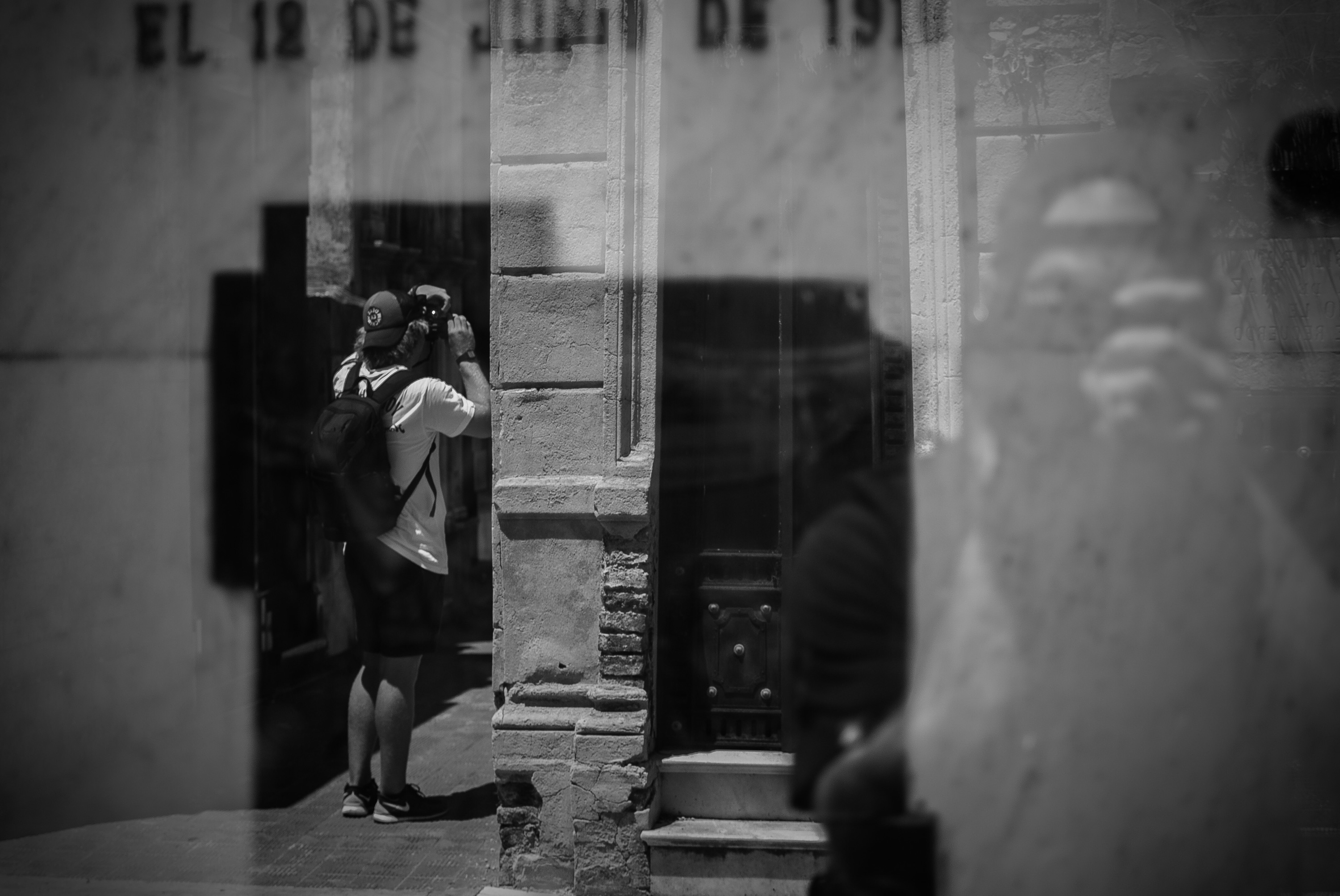
Shooting photographs, Ricoletta Cemetery, Buenos Aires, Argentina


Charlie Winn

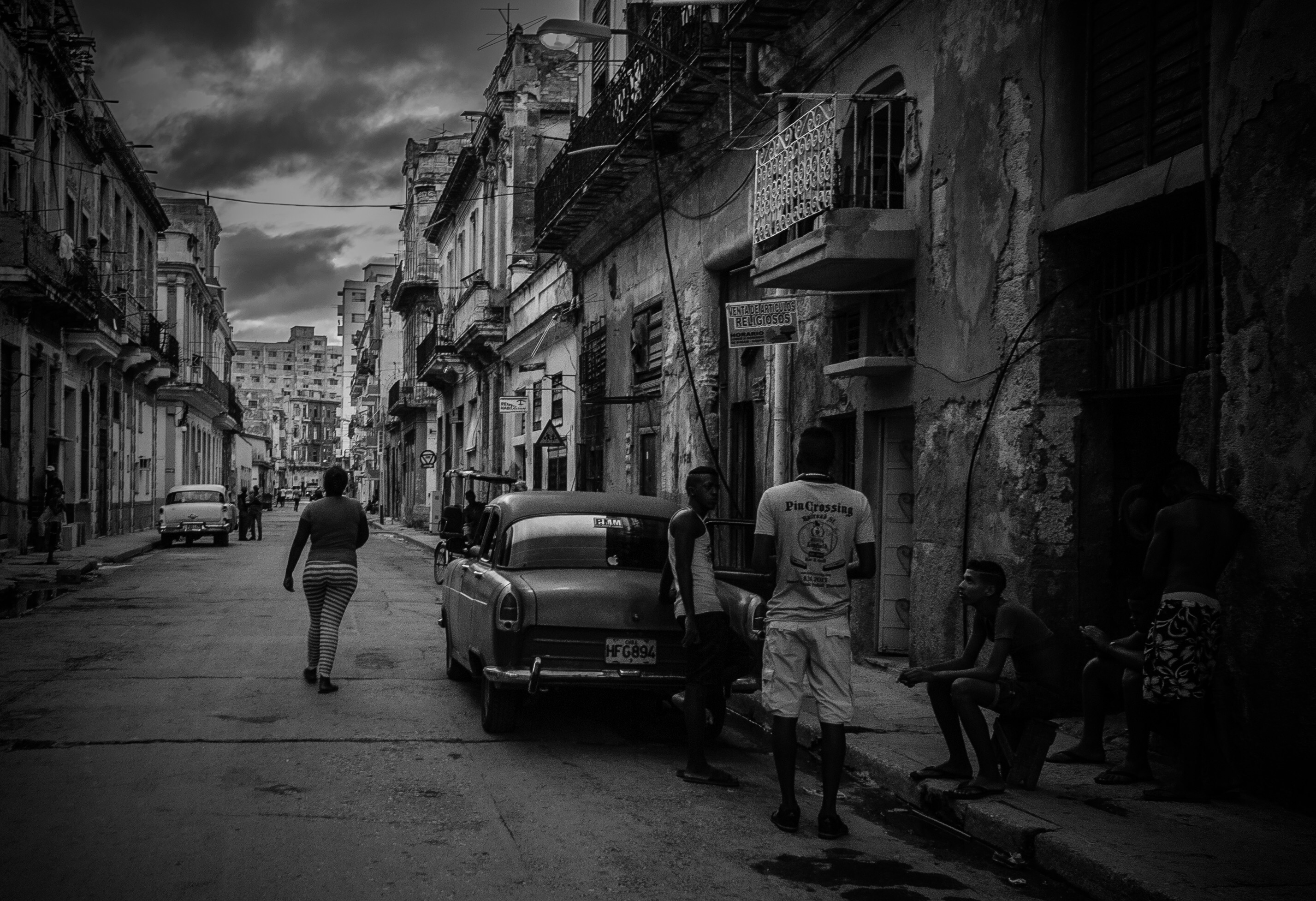
Back streets of Havana, Cuba


Charlie Winn

Sweeping the steps to the church: San Cristobal, Mexico


Charlie Winn

Sunday market, San Telmo, Buenos Aires, Argentina


Charlie Winn

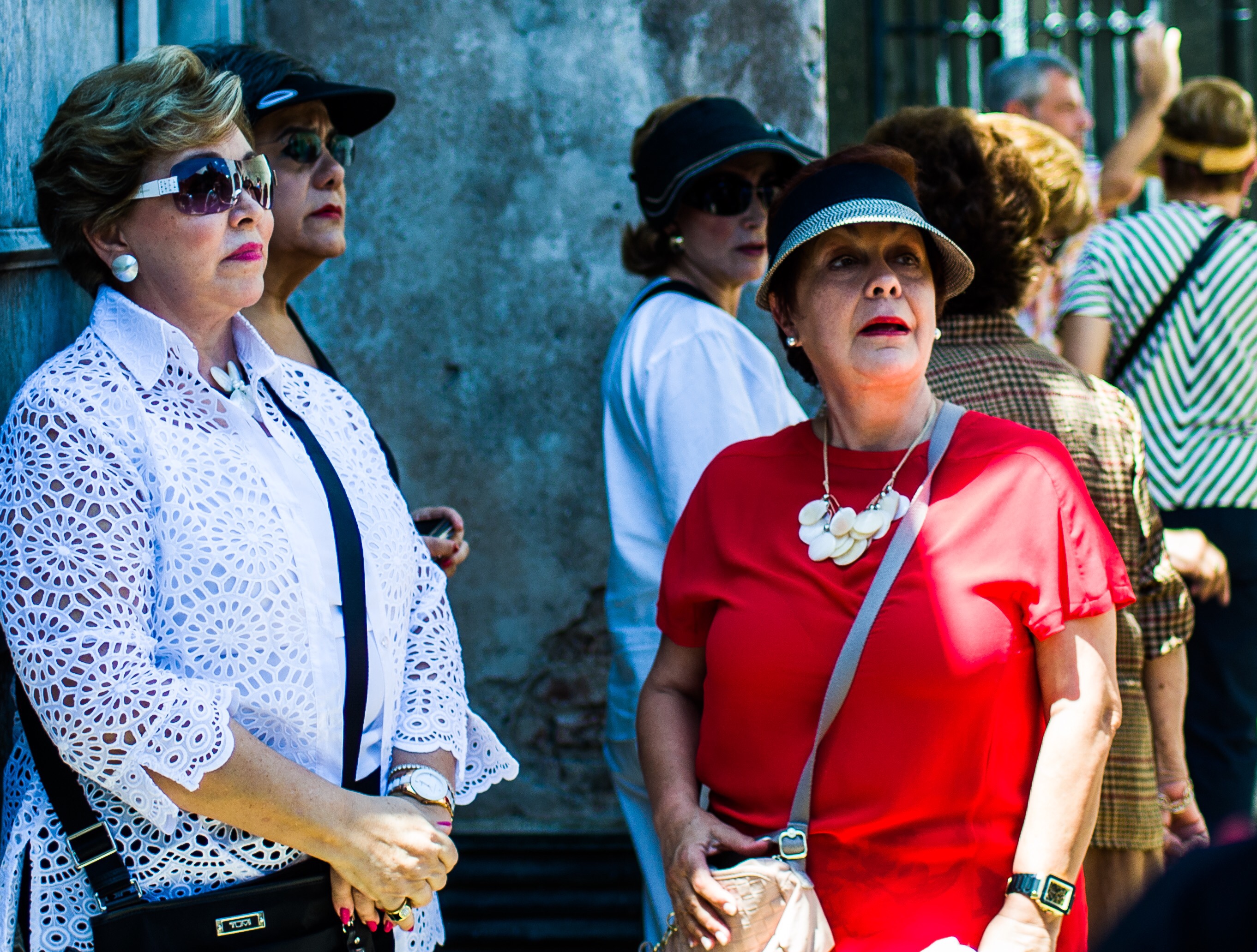
Argentinians at Evita’s crypt: Ricoletta Cemetery, Buenos Aires


Charlie Winn

Ordering jugos/juices, Quito Central Mercado, Ecuador


Charlie Winn

Meat market, Cuenca, Ecuador

Charlie Winn

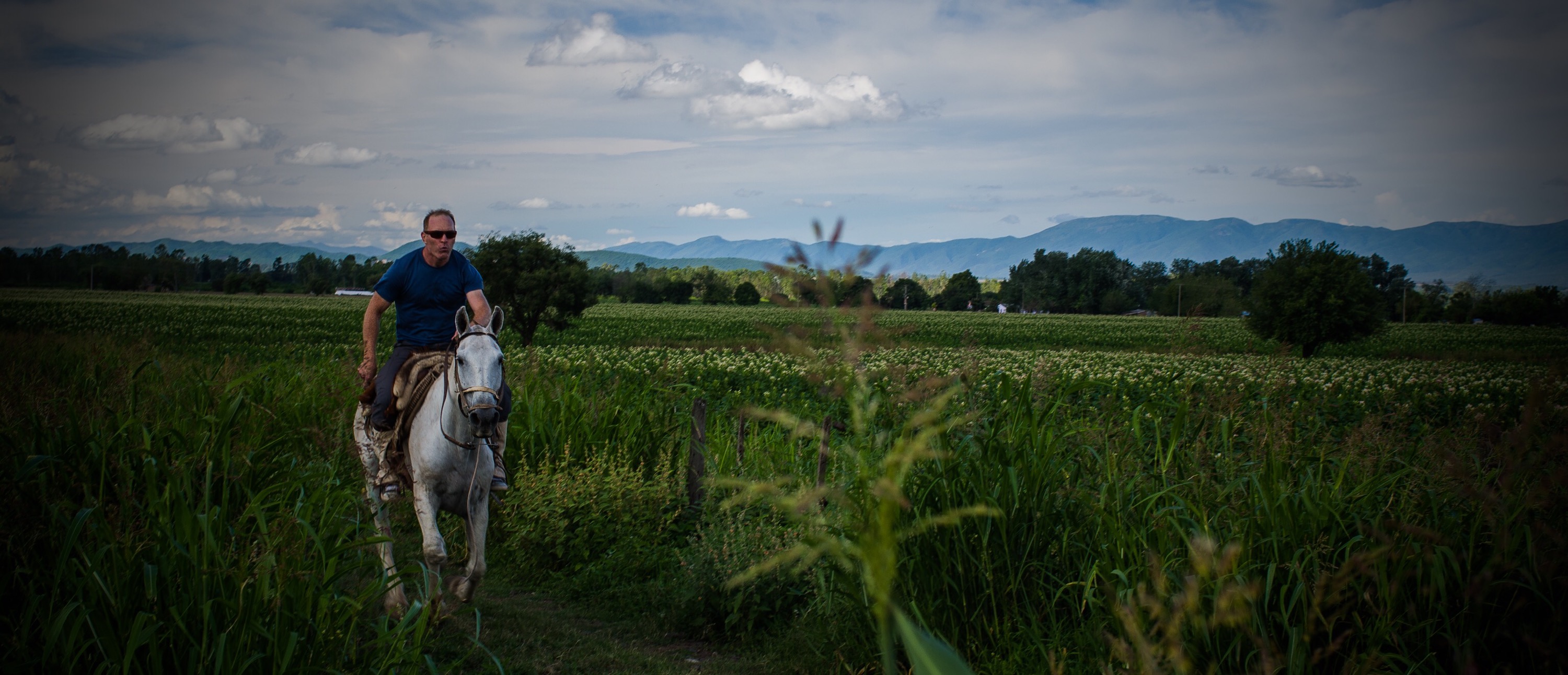
Galloping near the end of a days ride, Sayta Ranch, Salta Province, Argentina (credit: Steve)


Landscapes


Chile

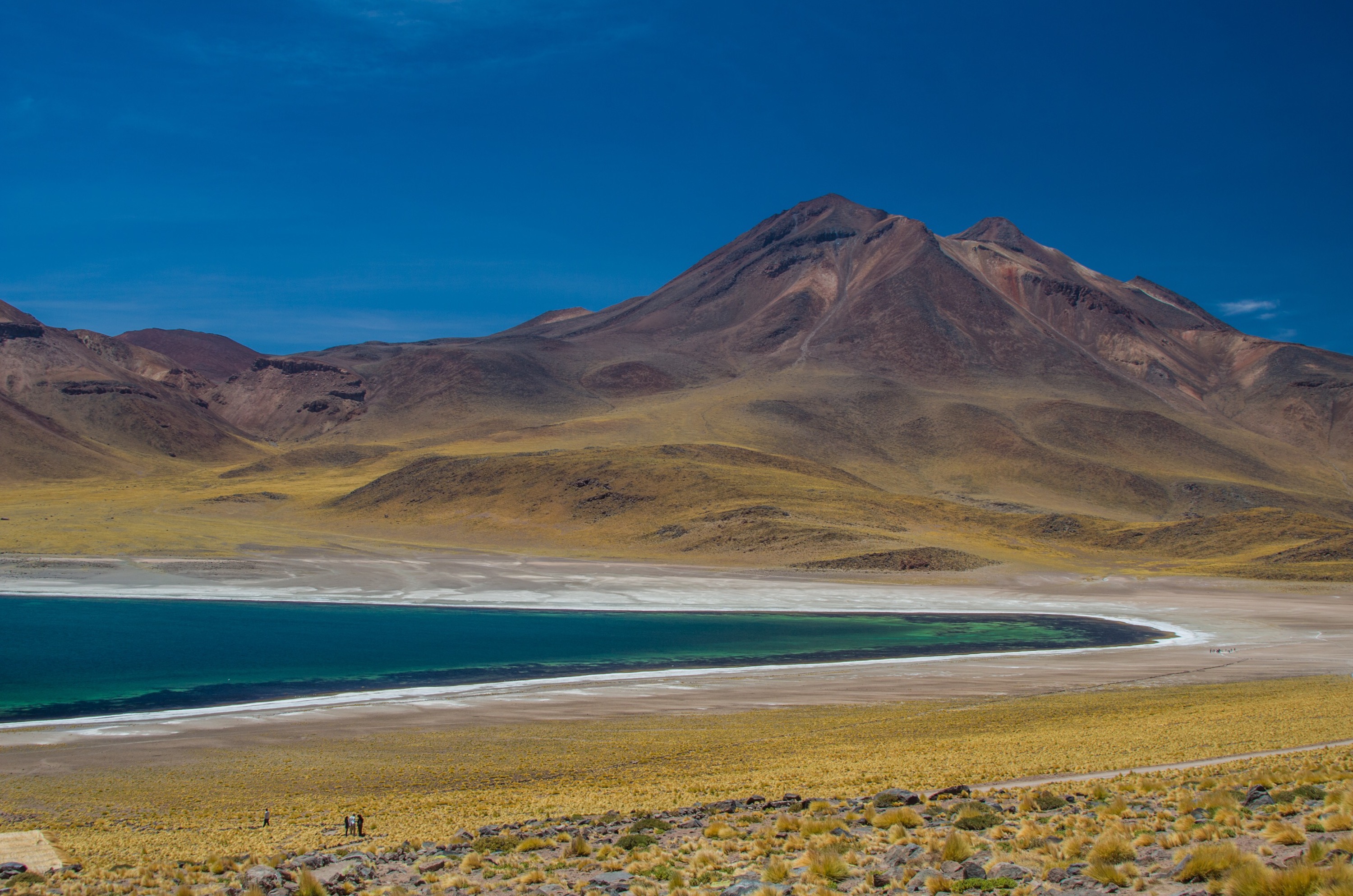
Altoplano lakes, near San Pedro de Atacarma, Chile


Charlie Winn

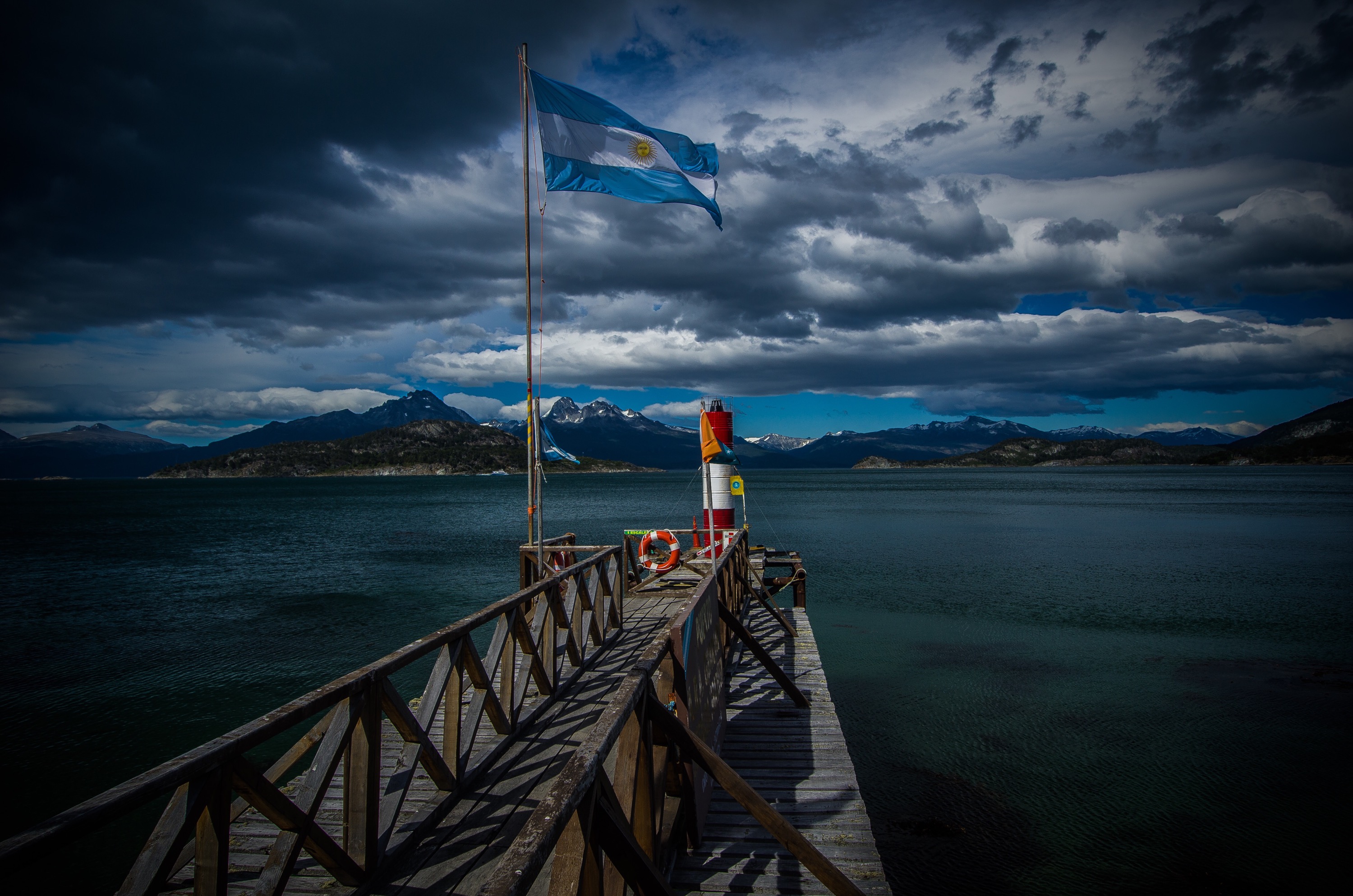
Argentina marking its territory with Chile across the Beagle Channel, Tierra del Fuego, Argentina


Charlie Winn

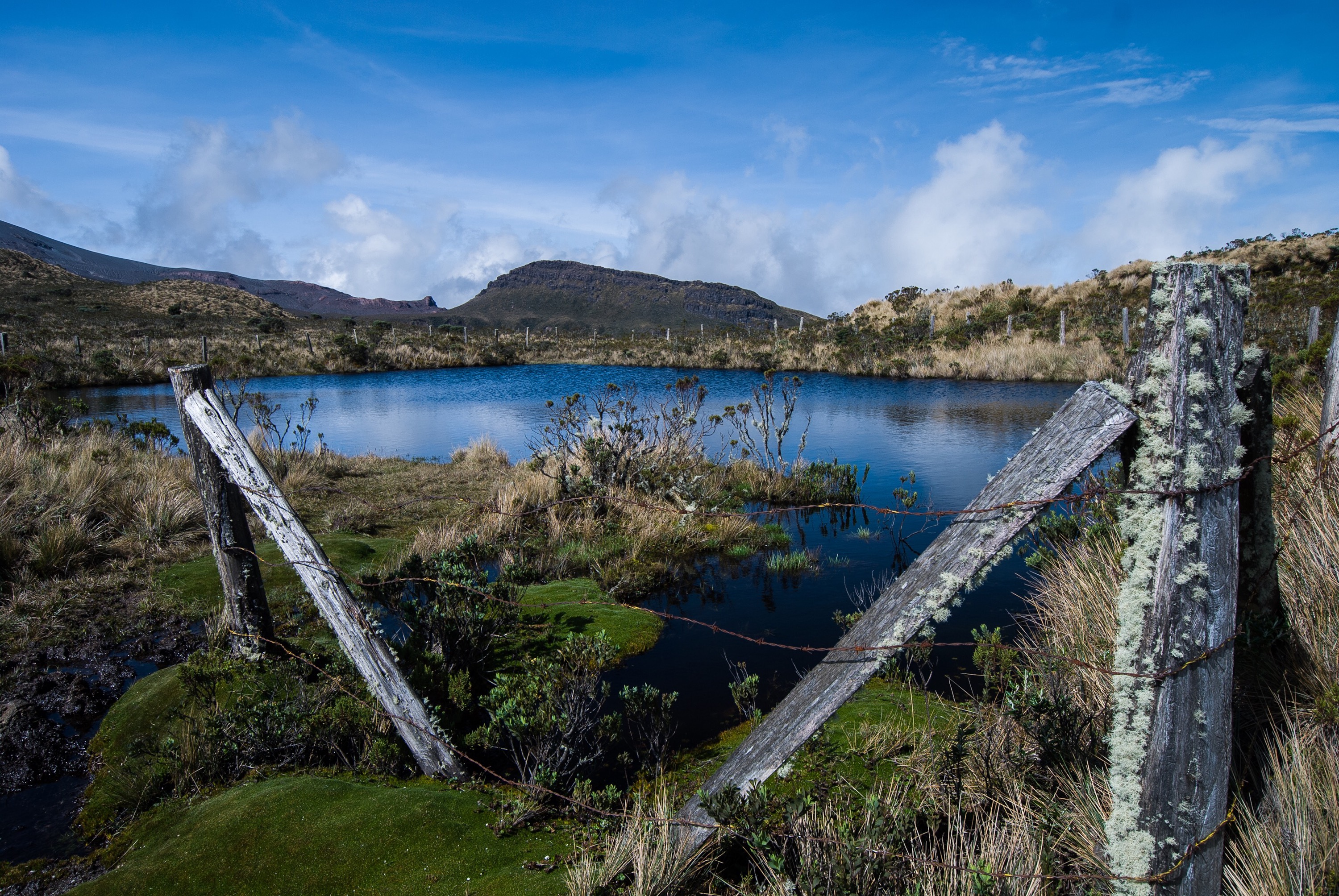
Lake while summiting Volcan Purace, near Popoyan, Colombia


Charlie Winn

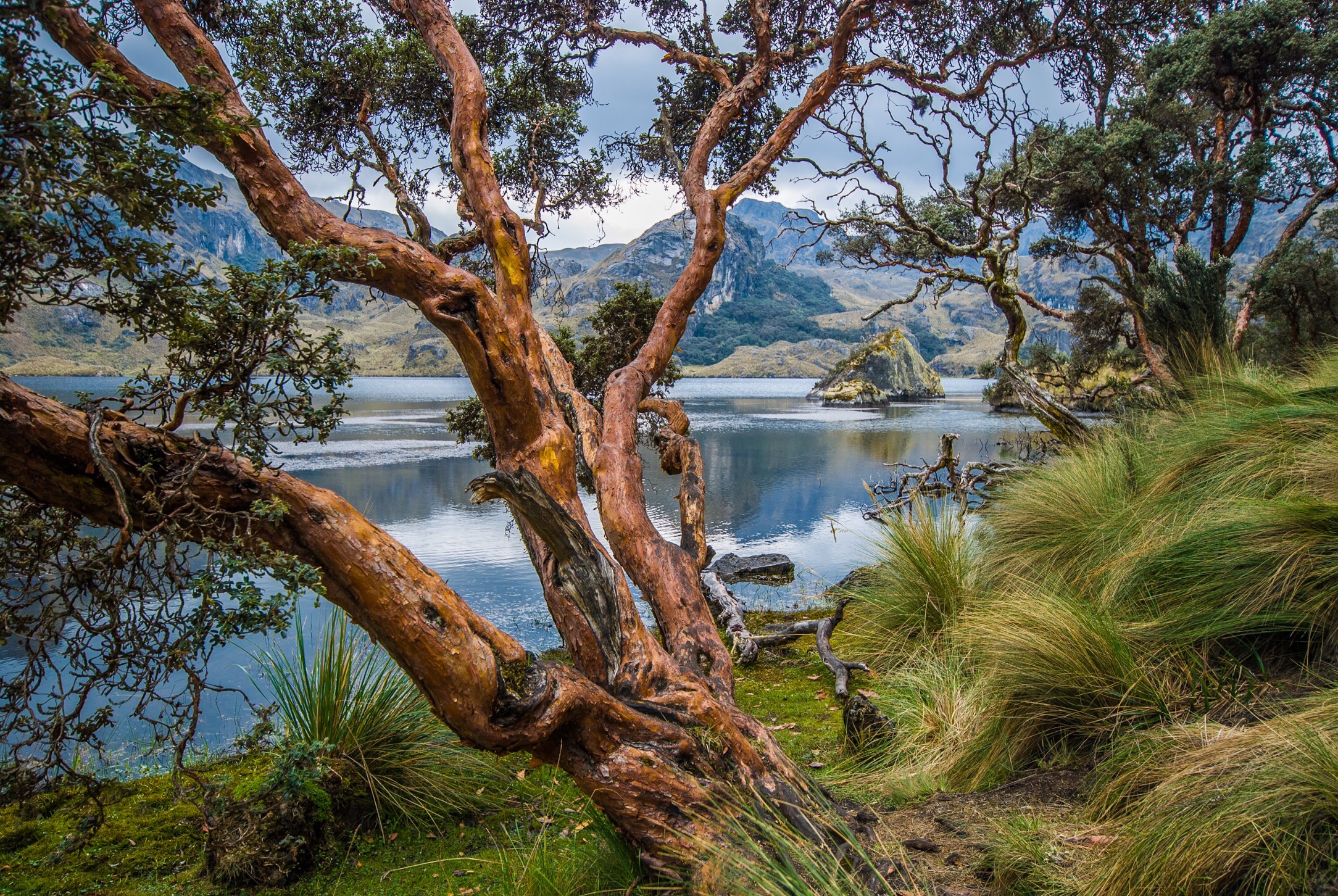
Parque Cajas, near Cuenca, Ecuador


Charlie Winn

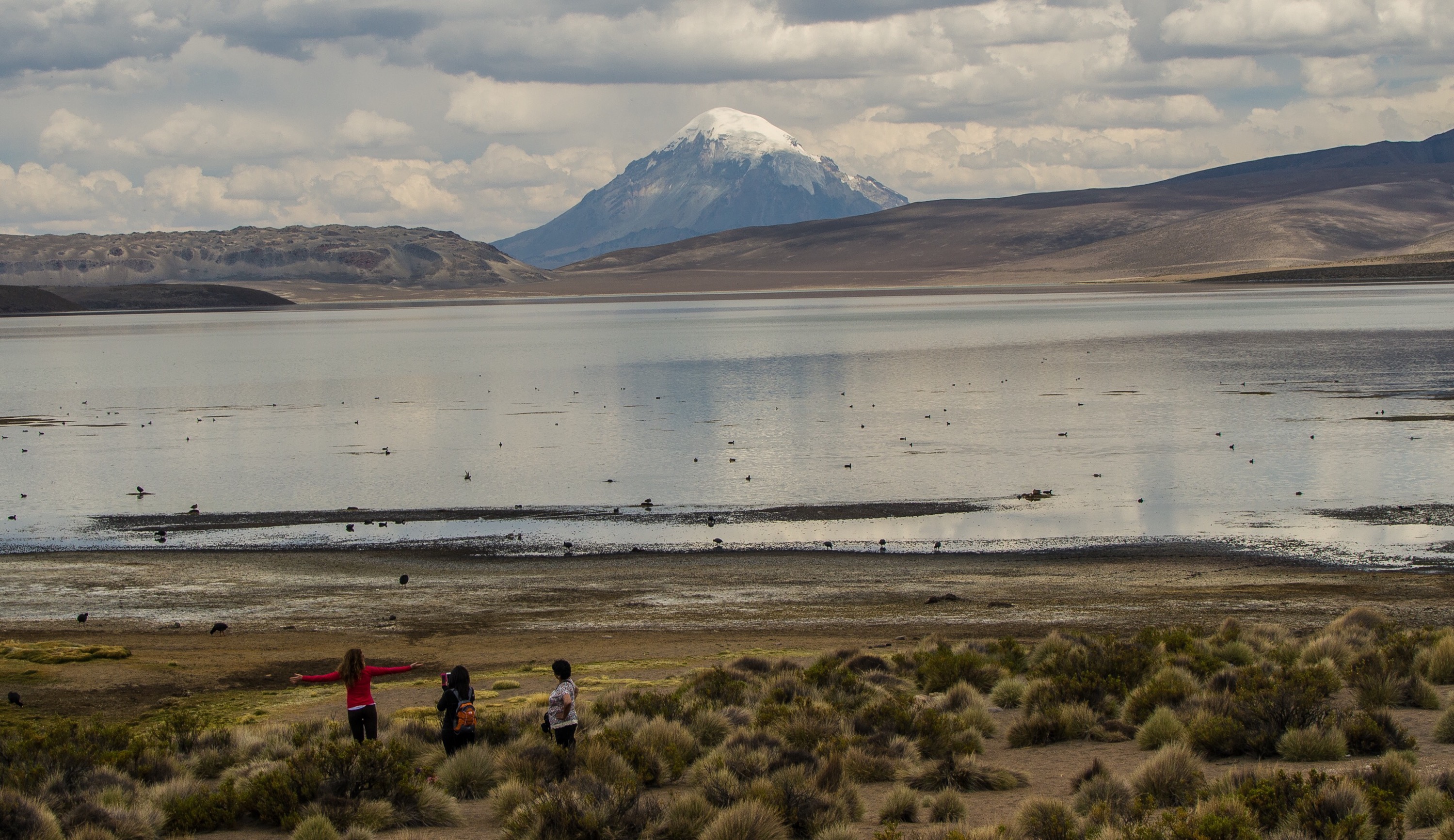
Parque Lauca, near Arica, Northern Chile


Charlie Winn

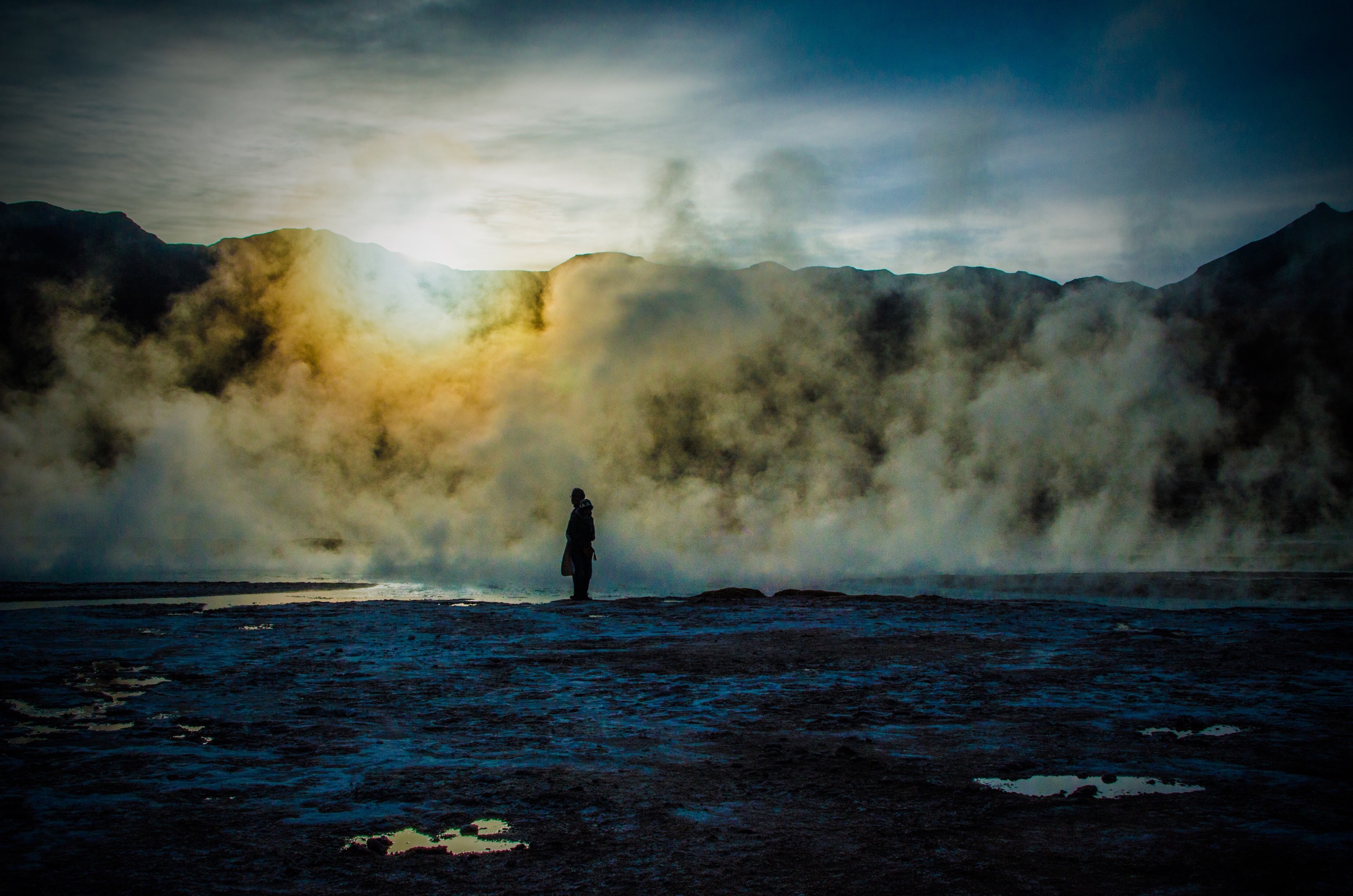
High altitude geysers at dawn, Tatio, Salar de Atacarma, Chile


Charlie Winn

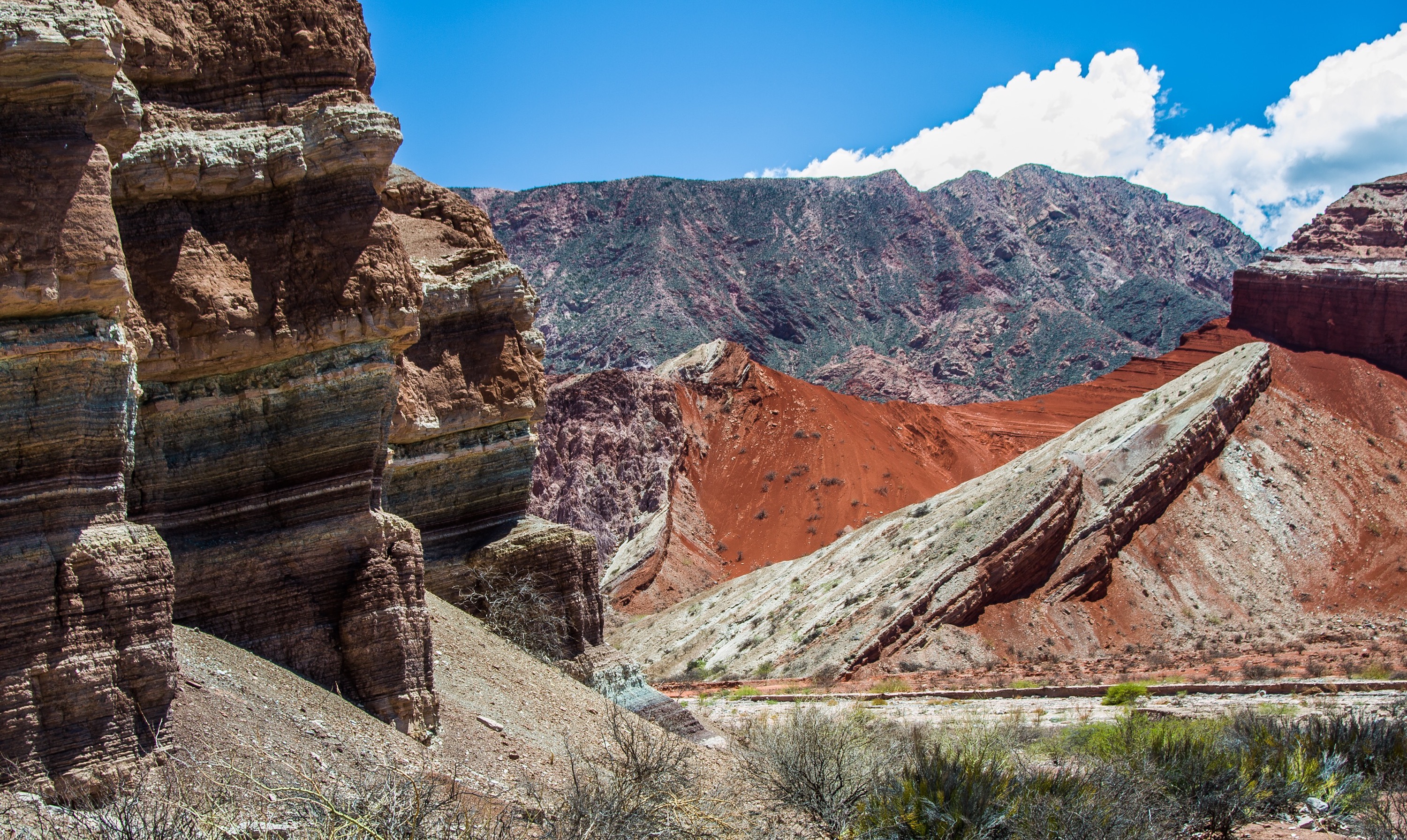
Quebrada Valley, Cafayata, Salta Province, Argentina


Charlie Winn

Valle de Luna, San Pedro de Atacarma, Chile


Charlie Winn

Cerro Fitz Roy, Parque Fitz Roy, El Chalten, Argentina


Cityscapes


Charlie Winn

Sunday streets, Valparaiso, Chile


Charlie Winn

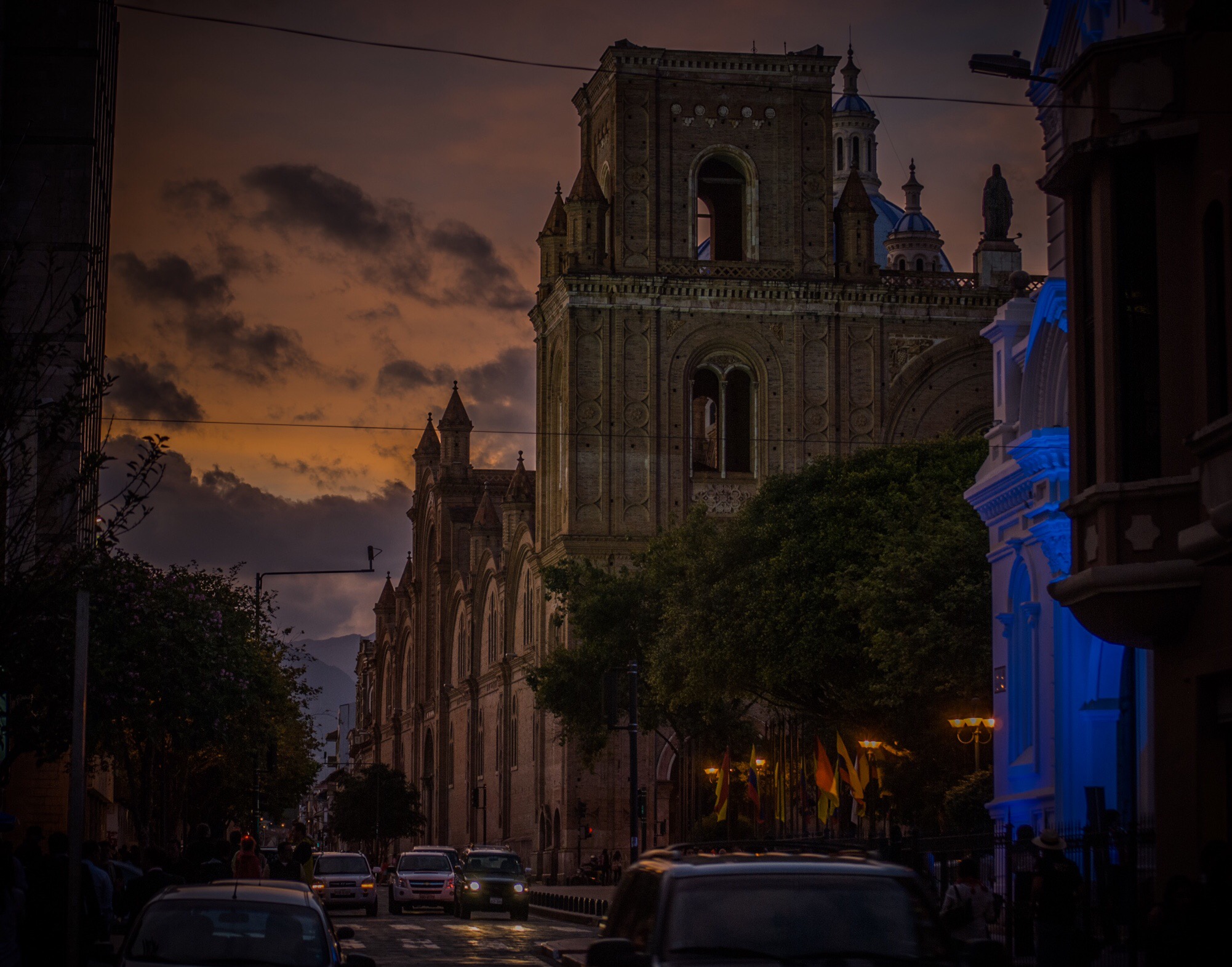
Cathedral, Plaza de Aramas, Cuenca, Ecuador


Charlie Winn

Streets of Havana, Cuba


Other


Charlie Winn

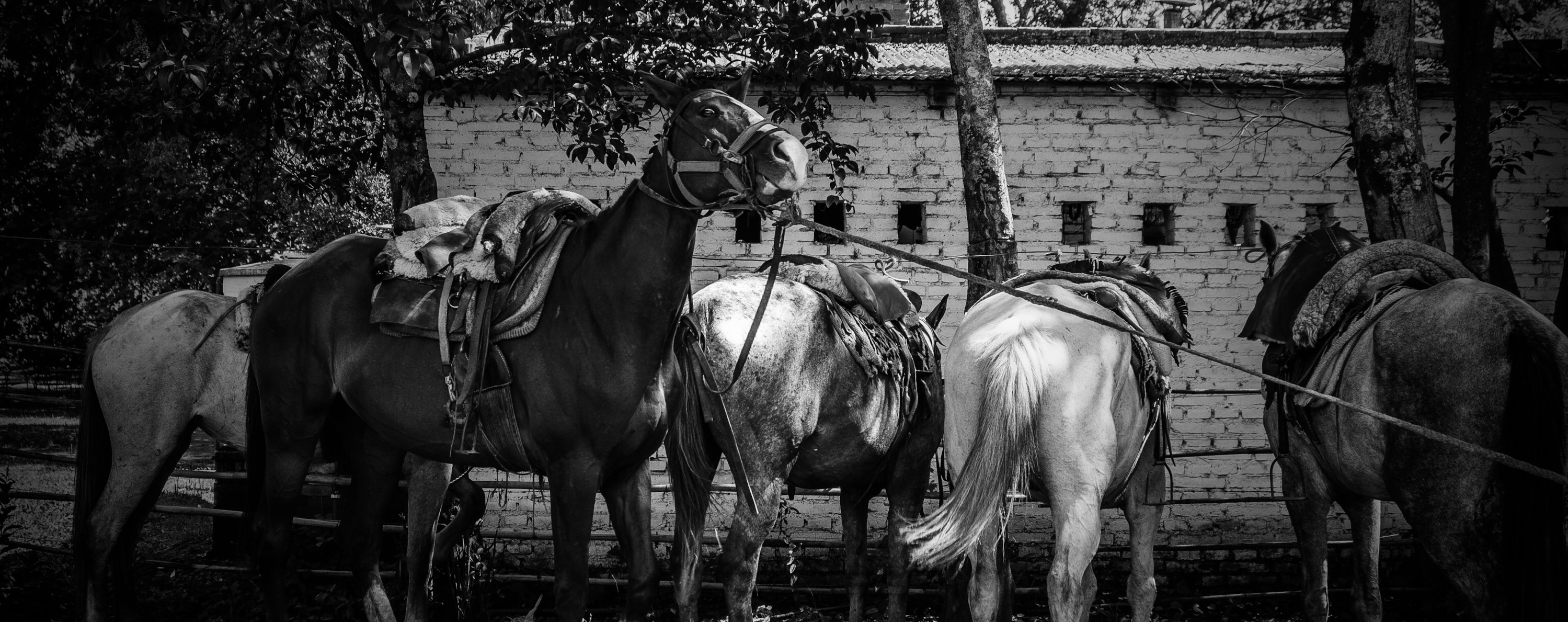
Horses been prepared by the gauchos, Sayta Ranch, Salta Province, Argentina


Charlie Winn

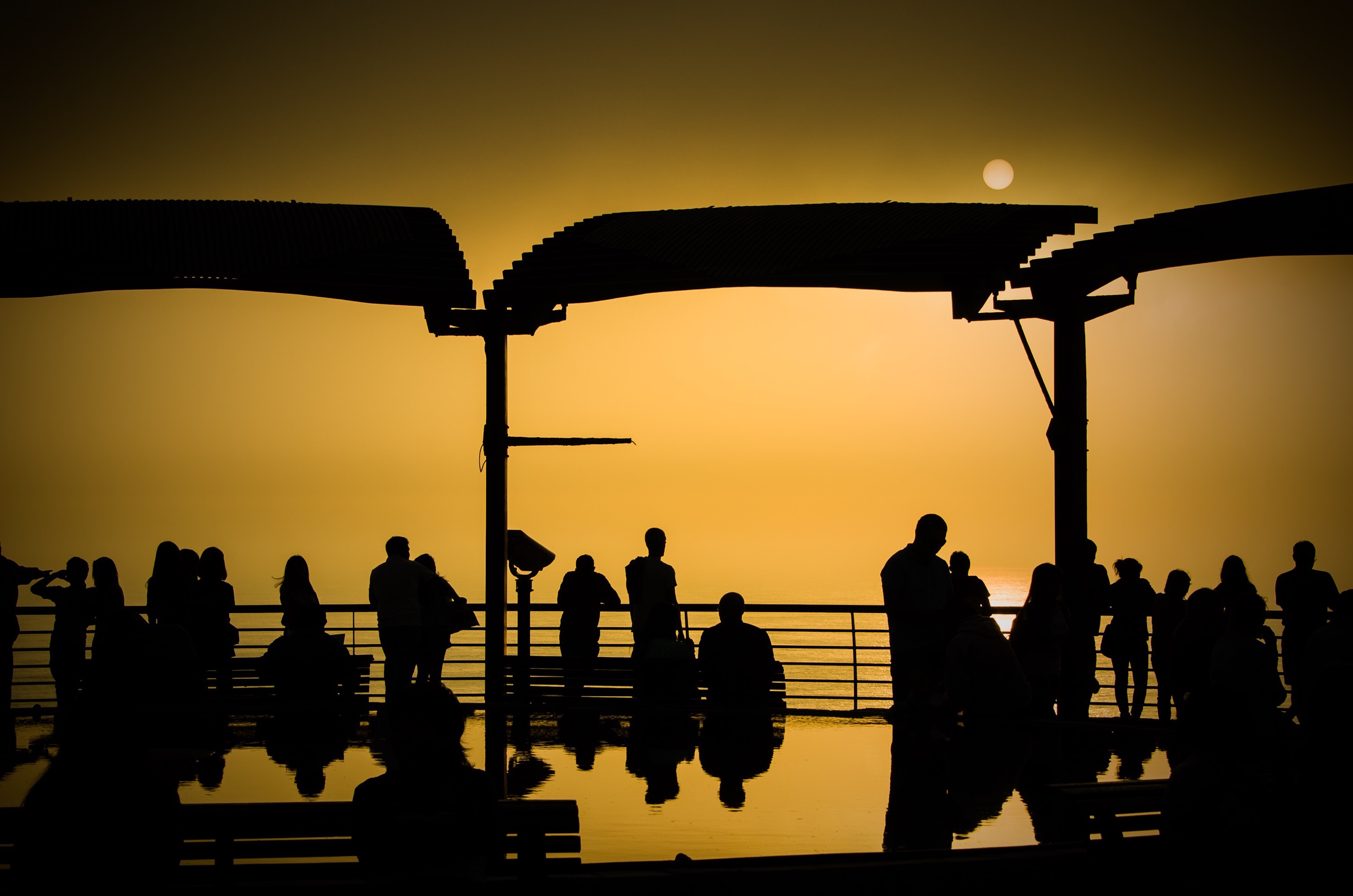
Sunset, Miraflores, Lima, Peru


Newer Posts
Older Posts